




The Theft No One Talks About—But Everyone Feels
Walk into any independent health store today and you’ll notice something subtle but telling. Staff are more alert. High-value items are quietly repositioned. Conversations feel more intentional.
What has changed is not the product. It is the environment around it.
Shoplifting in Canada has escalated into a $9 billion retail problem, and it is no longer confined to big-box chains or urban hotspots. Independent health food retailers—long built on trust, openness, and education—are increasingly being pulled into a new retail reality where shrink is rising, repeat offenders are common, and the line between opportunistic theft and organised retail crime has blurred.
In Ontario alone, more than 61,000 shoplifting incidents were recorded in a single year. Behind those numbers is a deeper shift: theft is no longer random. It is patterned, targeted, and in many cases, strategic.
For health retailers, this is not just a loss issue. It is a structural one.
Why Wellness Products Have Become High-Risk Inventory
The irony is difficult to ignore. The very categories driving growth—longevity, metabolic health, adaptogens, and premium supplementation—are now among the most stolen.
These products share a specific profile. They are compact, high-value, easy to conceal, and increasingly in demand. A $60 bottle of collagen or a $45 nootropic blend fits easily into a pocket, yet carries strong resale value across online marketplaces.
This is what loss prevention experts describe through the “CRAVED” model: items that are concealable, removable, available, valuable, enjoyable, and disposable.
Health stores check every box.
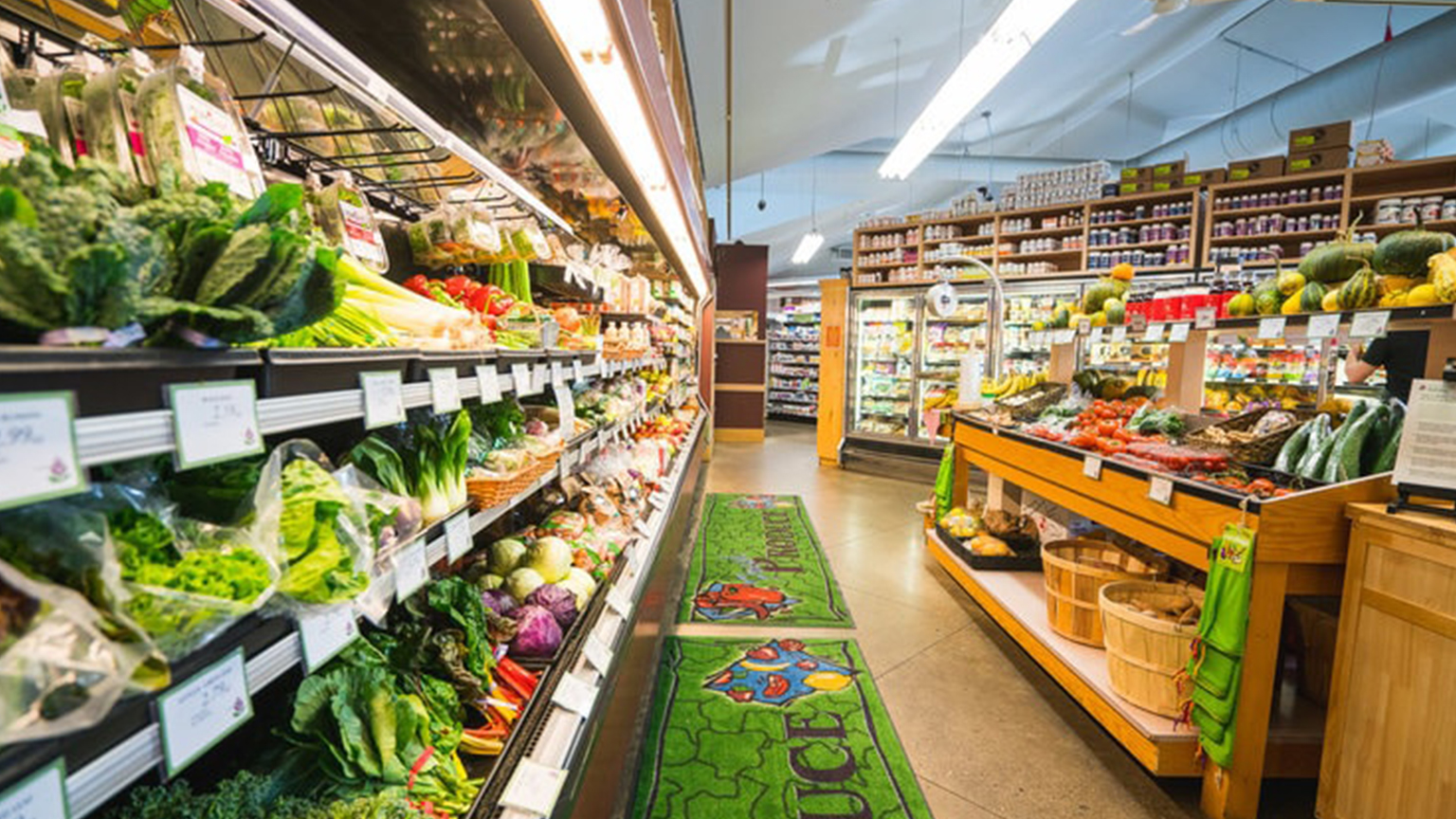
But the vulnerability goes deeper than product size. The traditional health retail environment is built on accessibility. Open shelving encourages discovery. Staff engagement is often consultative rather than supervisory. The space is designed to feel safe, calm, and inviting.
Unfortunately, that same environment also reduces friction for theft.
From Opportunistic Theft to Organised Extraction
What many retailers are now experiencing is not isolated shoplifting—it is organised retail crime operating at a local level.
Groups enter stores with clear intent. One distracts staff. Another moves through targeted categories. A third exits with product. Within days, those same SKUs appear online through resale channels.
Retailers report repeat visits, familiar faces, and growing boldness. Industry data confirms the shift: more than 80% of retailers say offenders are becoming more aggressive, while over 76% report an increase in violence tied to theft incidents.
For independent operators, this creates a difficult tension. The instinct is to protect the customer experience. The reality is that the risk profile has changed.
And ignoring that shift is becoming expensive.
The Hidden Cost: Margin, Morale, and Merchandising
Shrink is not just a line on a financial statement. It is a signal.
It signals that:
-High-margin categories are leaking profit
-Staff are operating under stress or uncertainty
-Store layouts are no longer aligned with current risk patterns
More importantly, it forces retailers into reactive decisions—raising prices, limiting inventory, or reducing accessibility—all of which can impact customer trust.
There is also a human cost. Staff are increasingly placed in uncomfortable situations, unsure whether to engage, ignore, or intervene. In many cases, the safest option is to do nothing, which only reinforces the behaviour.
This is where health retail must evolve.
The Shift: From Open Access to Guided Retail
The most effective retailers are not simply adding cameras or locking cabinets. They are rethinking the entire flow of the store.
They are moving from passive browsing environments to guided retail experiences.
High-value categories are repositioned closer to staff zones. Key products are integrated into consultations rather than left fully self-serve. Store layouts are adjusted to improve visibility without compromising atmosphere.
This is not about creating friction. It is about creating intentional interaction.
Interestingly, this mirrors what has already happened in jewellery retail. As product value increased, so did the need for controlled presentation, guided selling, and trust-based engagement.
Health retail is now entering a similar phase.
What Prevention Actually Looks Like Today
The retailers gaining control are taking a layered approach.
They are identifying their top 20% most at-risk SKUs and treating them differently. Not hidden—but positioned with purpose.
They are training staff not to confront, but to engage. A simple, well-timed interaction remains one of the most effective deterrents.
They are investing in visibility—both physical and digital. Smarter layouts, strategic camera placement, and inventory tracking are becoming standard, not optional.
And perhaps most importantly, they are collaborating. Sharing information with nearby retailers, participating in retail networks, and recognizing that this is no longer an isolated issue.
A Defining Moment for the Channel
Health retail has always been built on trust—trust in products, in education, and in the in-store experience.
But trust alone is no longer a strategy.
The stores that will lead the next phase of growth are those that can balance openness with control, experience with protection, and accessibility with intention.
Shoplifting is not just a security issue. It is a merchandising signal. A behavioural shift. A structural test of how modern retail environments are designed.
And for those paying attention, it is also an opportunity.
An opportunity to redesign the store.
To elevate the sales experience.
And to protect what matters most: margin, staff, and long-term sustainability.