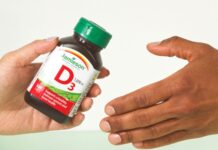






The trust gap shoppers bring to the shelf
Online listings make supplements look interchangeable: same ingredient claims, lower price, fast delivery. The problem is that a portion of online health products can be unauthorized for sale in Canada, improperly labelled, expired, counterfeit, or sourced through channels with unclear storage and handling. That reality lands on store counters as a daily friction cost: staff time spent defending why a vetted product costs more than a “mystery marketplace” option, plus reputational risk when a customer’s bad online experience gets mentally assigned to the whole category. In 2026, the business problem is less about one bad actor and more about a steady drip of doubt that turns confident buyers into reluctant price-checkers.
What “grey market” really means in supplements
In practice, “grey market” spans parallel imports, unauthorized products, third-party marketplace sellers, and look-alike listings that borrow legitimate branding cues without legitimate Canadian authorization. For consumers, thes the quick filter: products authorized for sale in Canada typically carry an eight-digit Natural Product Number (NPN) or a Homeopathic Medicine Number (DIN-HM) on the label. For retailers, this becomes a simple positioning line: “Our shelf is not a search result. It’s a verified supply chain.” That statement matters because the categories most often associated with risky online products tend to be the ones with “rapid results” promises, where pressure to buy quickly can override caution.
The in-store playbook to defend price and protect conversion
Winning retailers treat verification as a front-of-house sales asset, not a back-office compliance chore. First, make the “trust premium” visible in under 10 seconds: shelf talkers that say “Look for the NPN/DIN-HM” plus a QR code that brings customers to a verification page on your site explaining how to confirm licensing. Second, tighten your price-match policy so it only applies to truly identical, verifiable products (same brand, format, count, and Canadian authorization), and train staff to calmly decline matches against listings without clear licensing cues. Third, build a two-sentence script that reduces defensiveness: “Online prices can be lower when the source isn’t verified. Our products are sourced for Canadian compliance and traceability, so you know what you’re taking and who stands behind it.” Finally, add a conversion-positive alternative to “no”: offer a loyalty credit, bundle value (starter kit pricing), or a subscribe-and-save option through your own ecommerce so shoppers don’t feel pushed back to marketplaces.
Turn the grey-market problem into a trust moat
The strategic opportunity is to own the category narrative locally: your store is the place where shoppers can make a safe choice quickly. Track the operational impact (how often staff hear online price objections, which categories trigger the most doubt, which brands get cross-shopped) and use that data to negotiate for stronger on-pack clarity, clearer Canadian authorization cues, and retailer-ready education assets. Pair that with proactive content: a short “How to verify a supplement in Canada” page on your website, and a monthly in-store “verification spotlight” that normalizes checking NPN/DIN-HM as a smart habit, not a paranoid one. Retailers who translate risk into simple, shopper-friendly proof points won’t just defend margins; they’ll convert scepticism into repeat purchasing, because trust is the only premium customers feel good paying.