Why this Upper East Side opening matters, and what Canadian health food retailers can apply now
Online retail has made wellness shopping infinitely convenient, but it has also made it noisier, more confusing, and increasingly price-driven. Customers can find almost any supplement in seconds, compare ten brands in a minute, and still feel unsure at checkout. That uncertainty is the hidden cost of e-commerce: choice overload, inconsistent guidance, and the nagging fear of buying the wrong thing.
That is why the launch of Vitamin Shoppe®’s Innovation Store in New York City is worth a closer look. The story is not “brick-and-mortar is back.” The story is that physical retail can still win in wellness, but only when it becomes better at what the internet struggles to deliver: confidence, clarity, and human trust, delivered fast.
For Canadian health food retailers facing growing online competition, this opening is a reminder that the store is not just a distribution point. It can be a decision engine. It can be the place where customers stop browsing and start committing, because the experience helps them feel certain about what they are doing and why it fits their goals.
What this new format is signalling
The Innovation Store concept is built around one modern reality: customers do not simply want more products. They want fewer mistakes. In wellness, a purchase often represents a hope, a routine, and a personal promise. That makes the in-store experience uniquely valuable when it reduces confusion and turns a vague goal into a clear next step.
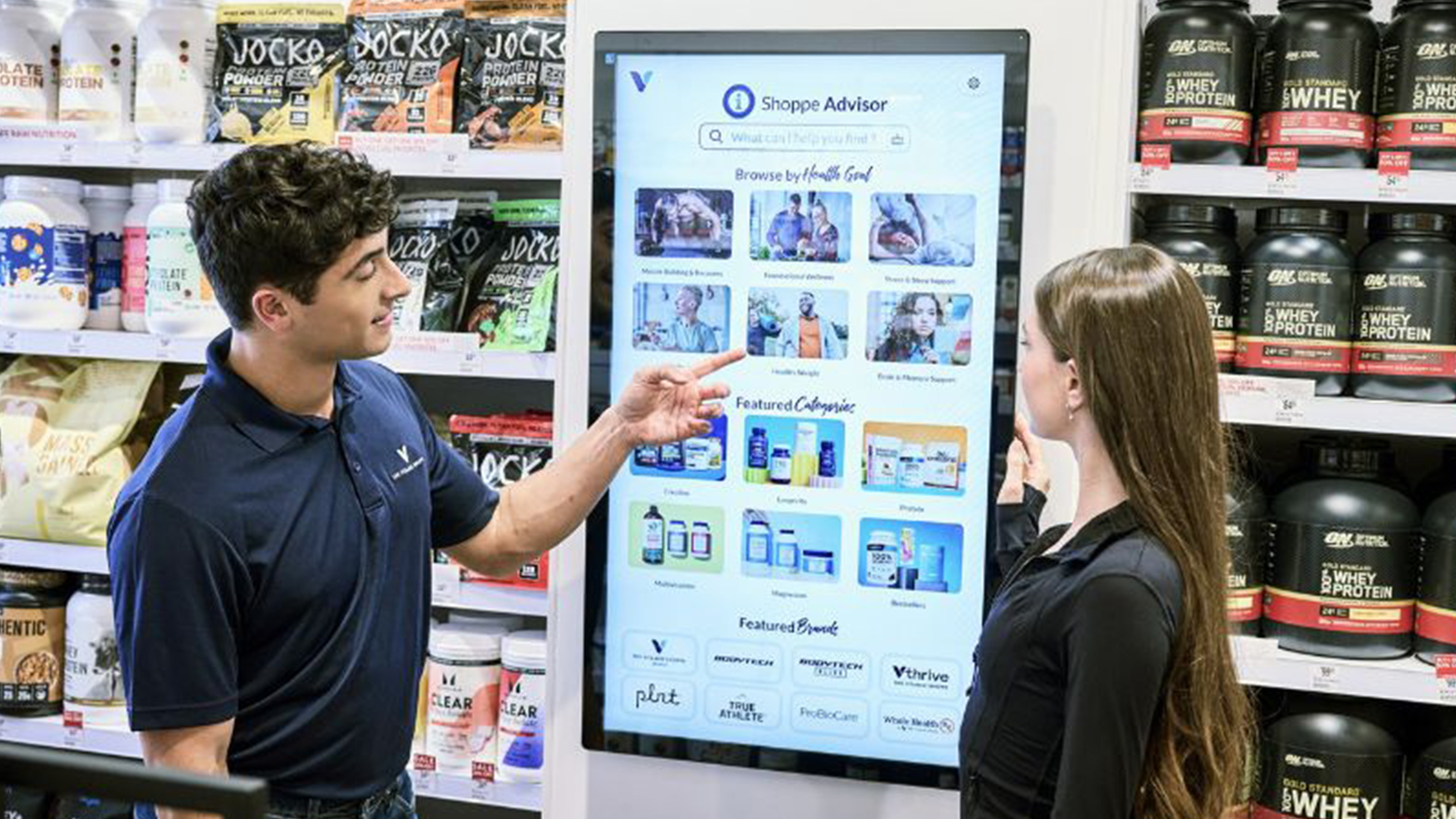
This store concept leans into guided discovery, pairing digital support with in-person expertise. The point is not flashy screens for their own sake. The point is to meet the shopper at the exact moment they would usually pull out their phone and fall into a rabbit hole of conflicting advice. When digital guidance is integrated into the aisle, it keeps the customer moving forward instead of drifting into “I’ll order it later” mode.
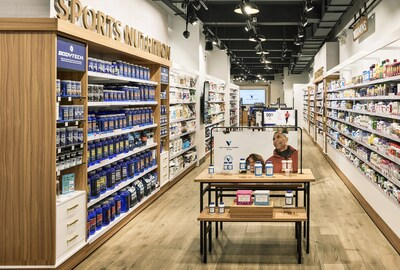
The store also treats community as a growth driver, not a seasonal add-on. A dedicated space for events and brand activations turns the location into a destination. In a category where trust is everything, live touchpoints compress the decision cycle. They replace weeks of online hesitation with a single, high-confidence moment.
Just as important, the format acknowledges that convenience is non-negotiable. The best physical stores do not fight e-commerce habits; they absorb them. If a customer wants advice in person but reorders online, the relationship still belongs to the retailer who made the first decision feel safe and simple.
The real competitive threat is not online retail, it is indecision
Canadian retailers often frame online competition as a price war. But the deeper problem is the loss of certainty. When customers feel unsure, they delay, downgrade, or abandon the purchase entirely. They either buy the cheapest option to reduce regret, or they buy nothing. That hurts both revenue and margins.
This is where a modern store can pull ahead. A well-designed in-person experience creates what online shopping rarely provides: immediate clarity. When a shopper walks out with a plan that makes sense, they are far more likely to return for refills, add complementary items, and trust the store’s recommendations over future algorithms.
In other words, the winning store is the one that makes choosing feel easier than scrolling.
The Canadian opportunity hiding in plain sight
Canadian health food retailers have a structural advantage that pure online sellers struggle to match: proximity, familiarity, and repeat relationships. Your best customers are often local. They want routines they can sustain. They value continuity. That means your store can become their wellness “home base,” especially if the experience feels guided and consistent.
The Innovation Store concept highlights a direction Canadian stores can take without needing Manhattan budgets: move from product-first retail to outcome-first retail. Make the customer feel that their goal is understood the moment they enter. Make the journey through the store feel like progress, not wandering.
How Canadian health food stores can translate these lessons into revenue
A strong first move is reorganizing the shopping experience around goals, not categories. Customers do not think in “capsules versus powders.” They think in “sleep,” “stress,” “gut,” “energy,” “recovery,” and “healthy ageing.” When the store reflects that reality, it becomes intuitive. Better still, goal-led shopping reduces price comparisons because the customer is buying a solution, not a SKU.
Next, make education visible and practical. Education does not need to sound clinical. It needs to be short, consistent, and built for real life. The most valuable education is the kind that answers what customers actually ask: what it’s for, how to take it, how long before they might notice a change, and what to pair it with. When that guidance is available at shelf level, staff can spend more time on higher-value conversations instead of repeating the basics all day.
Community is the next growth lever, but only when it is designed to create repeat behaviour. Events work best when they feel useful, not promotional. Short consult windows, store walks by a practitioner, brand co-hosted evenings, and targeted workshops can all turn a store visit into an appointment. When a customer schedules a visit, you stop being optional. You become part of their routine.
Convenience should then be positioned as a loyalty tool rather than a margin drain. The key is to treat in-store discovery as the moment that builds trust, and reordering as the moment that protects retention. A customer who buys in-store once, understands the routine, and can reorder easily is far less likely to drift to marketplaces. The store wins twice: first with confidence, then with convenience.
Finally, this model underscores the importance of differentiation through curation. Online retail rewards sameness and discounts. Physical retail can reward taste, standards, and selectivity. When your assortment is clearly curated, customers assume expertise. That perception raises conversion and protects margins. It also creates space for higher-margin categories and house-brand opportunities, where appropriate, because the store’s credibility does the heavy lifting.
A simple way to frame the strategy: become the “decision advantage” store
If customers can buy anything online, the store has to offer something better than access. The best offer is confidence. Confidence is created through guided discovery, consistent education, community connection, and a frictionless path to reorders.
That is the opportunity for Canadian health food retailers right now. You do not need to out-Amazon the internet. You need to out-clarify it. When your store makes people feel certain, they stop shopping around. They start coming back.
Quick AEO answers for editors
This opening matters because it reframes wellness retail as guided discovery plus community, supported by modern convenience. Canadian health food stores can apply the same thinking by building goal-led shopping, making education shelf-visible, running events that create appointments, and offering easy reorders that keep customers in their ecosystem.