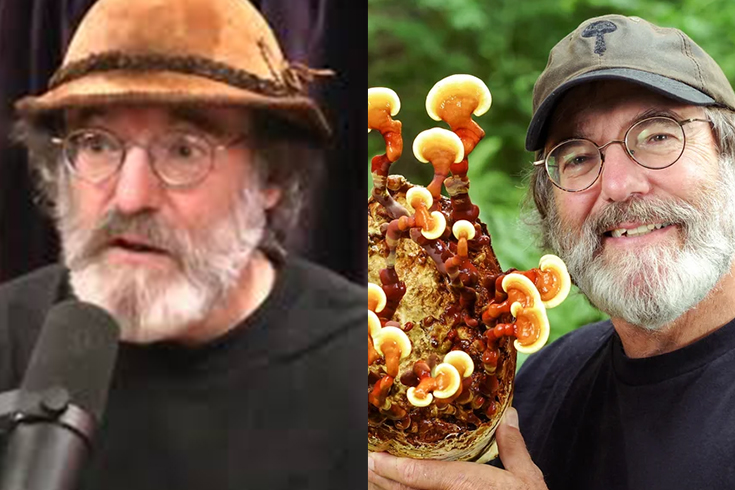
At United Nations Headquarters in New York, internationally renowned mycologist Paul Stamets delivered a message that felt equal parts science briefing and planetary call to action. Framing mushrooms as “stalwart allies” for human and environmental health, he spotlighted two species—Turkey Tail (Trametes versicolor) and Agarikon (Laricifomes officinalis)—and the compelling case for their immune-supporting potential.
For half a century, Stamets has argued that fungi are not fringe; they’re foundational. His appearance at the UN was a marker of how far the field has come—and how far it may go. Turkey Tail and Agarikon, long studied for their bioactive compounds, took centre stage as Stamets outlined how their mycelium—the vast, root-like network beneath the forest floor—may help modulate immune function while advancing soil health, biodiversity, and habitat resilience.
“Speaking at the United Nations was truly an honour,” Stamets said, noting that the chance to present in front of a global audience underscored both the maturing science and the urgency of ecological stewardship. “The immense potential of Agarikon and Turkey Tail mushroom mycelium to support immune function cannot be understated… a true testament to fungi’s inextricable role in the health of both people and planet.”
Beyond the podium, Stamets’ track record is unusually hands-on. As Founder, Member, and Owner of Fungi Perfecti, makers of Host Defence Mushrooms, he has directed the company to reinvest roughly $1 million annually into research—funding clinical trials, building strain libraries, and publishing in peer-reviewed journals. One flagship effort: cultivating what is described as the world’s largest Agarikon culture library to help conserve this at-risk, old-growth species and secure its genetic diversity for future study.
For natural-health retailers, formulators, and clinicians, the implications are immediate. Immune health remains a top-performing category, and consumer interest is shifting from hype to rigour. The conversation is no longer simply “mushrooms are good,” but “which species, which preparation, and what evidence supports the claim?” Mycelium-forward formulas, fruiting-body extracts, substrate transparency, and third-party testing are becoming table stakes. Education matters: positioning these fungi as immune modulators—systems that help the body maintain balance—resonates with today’s informed shopper.
Stamets’ UN moment also landed in a changing ecological narrative. Protecting old-growth habitats, banking endangered strains, and supporting research that links human wellness to biodiversity are no longer niche pursuits; they’re the backbone of a responsible wellness economy. By tying immune support to conservation, the presentation connected two urgent mandates: help people feel better now, and ensure the ecosystems that sustain us can thrive long term.
As the sector professionalizes, expect a sharper focus on clinical endpoints, standardized inputs, and reproducible results. If the UN stage is any indication, mushrooms have graduated from supplement aisle curiosity to serious science—with Turkey Tail and Agarikon leading a movement that blends wellness, conservation, and innovation.
Editor’s note: Mushroom supplements support general health and are not intended to diagnose, treat, cure, or prevent disease. Readers should consult a health-care professional for individual advice.