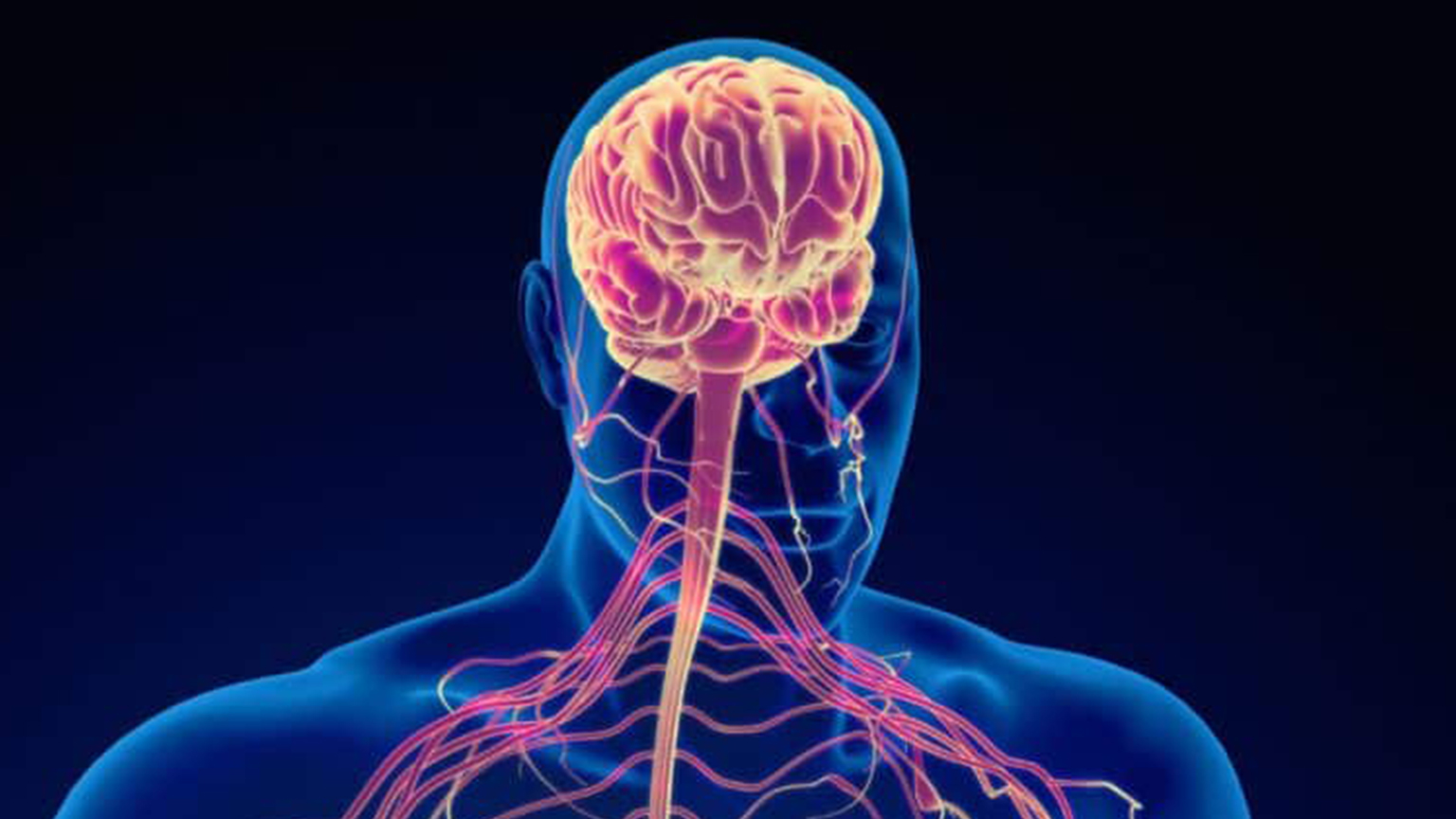
Health retailers don’t lose sales in “nerve health” because the products don’t work. They lose sales because the story is fragmented at shelf. Customers feel tingling, burning, numbness, stress overload, sleep disruption, or “wired but tired” fatigue, and they experience symptoms. The shelf, meanwhile, is organized by brands, formats, or vitamins alphabetically.
For an educated customer, that mismatch is costly: they want a mechanism map that explains why certain nutrients belong together and what each one contributes. For retailers, this is a merchandising opportunity: build a tight nervous system support set anchored in complementary mechanisms and track it like a mini-category with its own KPIs.
A formula such as PureHealth Research’s Nerve ReGen (built around Alpha-Lipoic Acid, Acetyl-L-Carnitine, B-vitamins, and Vitamin D3) is an ideal “anchor SKU” because it naturally lends itself to a multi-pathway narrative: antioxidant protection, mitochondrial energy, myelin support, neurotransmitter production, and nerve maintenance.
The goal is not to “sell a bottle.” The goal is to sell a system customers can understand in 20 seconds—then measure how that system lifts turns, basket size, and repeat.
1) Build the Customer Logic: One Need, Multiple Mechanisms
The most effective nervous system support programmes acknowledge a practical reality: nerve function is not a single pathway.
Create your shelf story around four mechanism pillars:
Pillar A: Foundational Protection (Oxidative Stress Defence)
Nerve tissue is metabolically active and vulnerable to oxidative stress. Alpha-Lipoic Acid (ALA) is often positioned as a broad antioxidant support that helps protect cells from oxidative damage. In a retailer narrative, this becomes the “shield” pillar.
Shelf translation: “Antioxidant defence for nerve cells.”
Pillar B: Cellular Energy (Mitochondrial Support)
Nerves are energy-demanding tissues. Acetyl-L-Carnitine (ALCAR) is commonly merchandised as mitochondrial support that helps the body produce energy. This is the “power” pillar.
Shelf translation: “Supports cellular energy in nerve tissue.”
Pillar C: Myelin and Signal Integrity (B12 Forward)
Efficient nerve signalling depends on healthy myelin. Vitamin B12 is the headline here because it’s strongly associated with myelin synthesis and normal neurological function. This becomes the “insulation” pillar.
Shelf translation: “Supports myelin and healthy nerve signalling.”
Pillar D: Neurochemistry and Maintenance (B6, Riboflavin, D3)
Vitamin B6 supports neurotransmitter synthesis; riboflavin (B2) supports energy metabolism; Vitamin D3 supports overall nerve growth and maintenance. This is the “communication + upkeep” pillar.
Shelf translation: “Supports neurotransmitter production and long-term nerve maintenance.”
When a customer asks, “What’s the best thing for nerves?” your answer becomes: “Nerve support works best when you cover protection, power, insulation, and communication.” That is a mechanism-based explanation an educated shopper respects—and a team can repeat consistently.
2) Create a Nervous System Support Micro-Category (Instead of a Lone SKU)
Treat nerve-health as a micro-category with a clear shelf architecture:
The 3-Level Shelf Model
Level 1: Anchor Formula (Multi-Mechanism)
- Place the combined formula at eye level as the “all-in-one” option.
Level 2: Add-On Optimizers (Single Mechanism)
- Adjacent SKUs that deepen one pillar (e.g., standalone B12 formats, carnitine variants, antioxidant support), depending on what your store carries and your compliance requirements.
Level 3: Lifestyle Adjacent Supports (Basket Builders)
- Where customers naturally cross-shop: sleep support, magnesium, omega-3, stress support, glucose support, and recovery. (Merchandise adjacency matters more than you think—because the customer’s mental model is rarely “nervous system” only.)
The Rule
Don’t overload the set. A tight assortment sells better than a confusing one. Your micro-category should be small enough that staff can explain it without looking at the shelf.
3) Make the Connection at Shelf in 20 Seconds
You need two pieces of shelf communication: one for mechanism, one for selection.
Shelf Talker 1: The Mechanism Map (4 Pillars)
“Nerve support works best when it covers:”
- Shield: antioxidant defence (ALA)
- Power: cellular energy (ALCAR)
- Insulation: myelin support (B12)
- Communication: neurotransmitters + maintenance (B6, B2, D3)
Shelf Talker 2: The “Which One?” Guide
- All-in-one: multi-ingredient formula for broad support
- Targeted: single nutrients for specific needs (e.g., B12-focused)
- Lifestyle: pair with sleep/stress or recovery support as appropriate
This is not “dumbing down.” It’s compressing complexity into a fast, credible framework.
4) Quantify It: The Nervous System Set Scorecard
If you want this category to earn space, prove it with a simple scorecard your team can run weekly.
Core KPIs (Track Weekly, Review Monthly)
- Unit velocity (UV): units sold per week for the set (not just one SKU)
- Set conversion rate (SCR): set units ÷ category shoppers exposed
- Attach rate (AR): % of nerve-health transactions that include a second adjacent item
- Average basket lift (ABL): average transaction value with nerve set vs store baseline
- Repeat interval: days to repurchase (where loyalty data exists)
A Practical Retail Equation
You can forecast the impact of better merchandising using a simple model:
Expected weekly units = Set traffic × Set conversion × Units per transaction
Run this as a baseline, then test changes (endcap, talkers, staff script) to see which lever moves.
5) Bundles That Make Mechanistic Sense (and Stay Compliant)
Customers who buy nervous system support often have adjacent needs. Build bundles around mechanism adjacency, not random discounting.
Bundle A: “Nerves + Sleep Quality”
Position as supporting relaxation, sleep quality, and nervous system resilience. This bundle often improves compliance because sleep is a felt benefit customers can track.
Bundle B: “Nerves + Metabolic Support”
Many shoppers experience tingling or sensitivity due to blood sugar conversations. Where appropriate and compliant, adjacency here increases relevance and keeps shoppers in your store’s ecosystem.
Bundle C: “Nerves + Recovery.”
For active customers, position around energy metabolism, recovery, and nervous system function.
Merchandising note: Bundle signage should focus on structure/function language like “supports,” “helps maintain,” and “promotes,” aligned to your local regulatory environment.
6) Staff Training That Sounds Like a Clinician (Without Acting Like One)
Educated customers don’t want a hard sell. They want clean logic.
A 30-Second Staff Script
“Most nervous system support programmes work best when they cover more than one pathway. We look at four pillars: antioxidant protection, cellular energy, myelin support, and neurotransmitter function. An all-in-one formula covers the bases, and we can tailor from there depending on your goals.”
Triage Guardrails (Good Retail Practice)
Encourage referral to a health professional when symptoms are sudden, severe, worsening quickly, or paired with weakness, gait changes, or unexplained pain. This protects customers and protects your store.
7) Run Two Simple Tests Before You Expand the Set
If you want the set to grow, earn it with tests.
Test 1: Eye-Level Anchor vs Standard Placement (14 Days)
- Keep price constant
- Move only the anchor formula to eye level and add the mechanism map talker
- Track UV and SCR
Test 2: Adjacency Bundle Signage (14 Days)
- Add one bundle message (sleep, metabolic, or recovery)
- Track attach rate and basket lift
After 28 days, you’ll know whether this is a shelf strategy worth scaling across locations.
The Takeaway
Nervous system supplements sell best when the shopper can see the logic and the retailer can prove the lift. Build your set around complementary mechanisms—ALA for protection, ALCAR for cellular energy, B-vitamins for myelin and neurochemistry, and D3 for maintenance—then run it like a micro-category with its own scorecard.
When your shelf makes the connection in 20 seconds, your numbers start doing the talking.