Health-food manufacturers and suppliers are likewise scrambling. CHFA and the Canadian Organic Trade Association (COTA) are advising members to diversify markets and supply chains. COTA emphasizes that many organic inputs have alternative sources: new 8-digit HS codes for organics mean many U.S.-origin organic products may be exempt from retaliatory tariffs, canada-organic.ca. Both associations urge businesses to leverage Canada’s nine organic equivalency arrangements (with the EU, UK, Japan, Mexico, etc.), to offset any U.S. bottleneck. On the supply side, manufacturers are reviewing contracts, invoking “force majeure,” or renegotiating terms, and exploring new raw material sources. For example, the supplement industry’s U.S. peers have publicly suggested seeking vitamin and mineral ingredients from South Korea or India instead of the typical Chinese suppliers. In Canada, ingredient brokers report already diversifying – one Ontario retailer cited in Canadian Grocer said domestic greenhouse farms and alternate producers are being lined up to replace potential U.S. fruit and vegetable shortfalls.
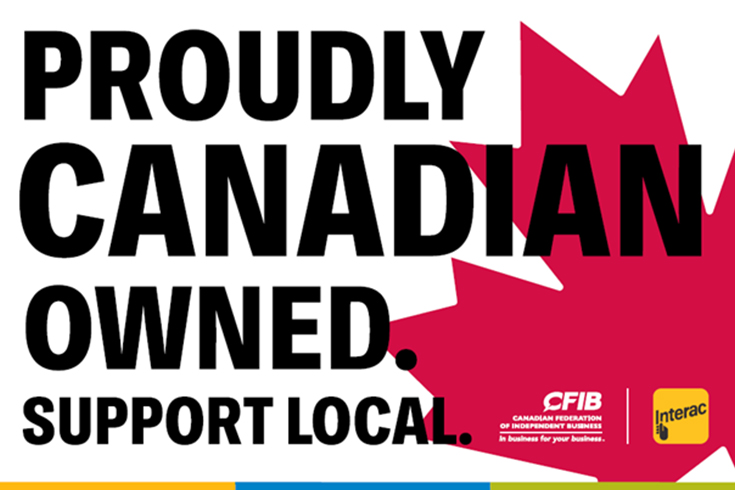
In some cases, the trade war has even sparked talk of reshoring. CHFA president Aaron Skelton notes that before tariffs, some Canadian supplement companies had moved manufacturing to the U.S. to cut costs. With the prospect of a 25% duty on U.S.-made products, these firms are reevaluating their strategies. “If there’s a silver lining, it’s that this could ultimately put the sector on a stronger footing,” Skelton told the media, referring to a renewed push for homegrown production. Industry leaders are lobbying for federal support to build domestic capacity – from easing interprovincial trade barriers to regulatory relief – so Canada can better supply its market in future. For now, companies are stockpiling inputs and highlighting “Made in Canada” on labels as part of a nationalistic wave.
Government Relief and Support Programs
Ottawa and the provinces are rolling out aid to offset higher costs. In April, the federal budget unveiled a Trade Impact Program – $5 billion over two years – to help exporters find new markets and navigate losses from tariffs (covering cash-flow gaps, currency swings, etc.). Additional funding includes up to $500 million in low-interest loans via the Business Development Bank of Canada (BDC) for tariff-affected sectors (plus advisory support on finance and market diversification), and $1 billion from Farm Credit Canada to assist agriculture and food businesses with cash flow. The Canada-U.S. transition also qualified small businesses for deferred tax relief: corporate income tax and GST/HST remittances can be postponed from April 2 to June 30, 2025 (freeing roughly $40 billion in liquidity) cfib-fcei.ca. Other measures include an enhanced AgriStability program, expanded Work-Sharing benefits (to avoid layoffs during downturns), and a government tariff “remission” process to grant exceptional relief in dire cases. Provincial agencies like Invest Ontario and provincial development banks are also offering targeted support for food and NHP firms. Industry associations lobby constantly to ensure health-food businesses access these programs, while educating members on export grants (CanExport SMEs), buying embassies’ procurement portals, and risk-management tools.
Short-Term Outlook
In the near term, the Canadian health-food sector faces a bumpy road. U.S. tariffs could add 10–25% to the cost of American-origin ingredients and finished goods, and Canadian levies likewise hit U.S.-sourced inputs. However, key exemptions and relief will soften the blow. Small direct imports remain duty-free for now, and businesses can apply for remission if they show hardship. Retailers are already compensating with higher margins on foreign goods and shifting inventory, and eager domestic consumers should help sustain demand for Canadian-made NHPs and organics. According to industry research, over 80% of Canadians use supplements, and 70% say they actively look for local foods – a sentiment only strengthened by the trade fight.
Longer run, some uncertainty remains. A USMCA (CUSMA) review is slated for 2026 chfa.ca, and future Canadian elections could change federal priorities. Ongoing regulatory challenges – such as Canada’s pending plain-language labelling rules and cost-recovery fees for NHPs – add complexity. Still, trade experts stress that preparation is key. Companies are advised to inventory inventories, renegotiate suppliers, and even diversify into new segments (e.g. hemp/CBD, botanical extracts or functional foods) to broaden resiliency. If the tariff skirmish turns into a prolonged economic Cold War, one silver lining may be a stronger local supply chain: building Canadian capacity and export markets is now “long overdue,” in the words of CHFA’s CEO.
Government contacts and industry resources (timeline of tariff announcements, export funds, etc.) are being updated constantly – businesses should monitor Finance Canada and CHFA/COTA bulletins for the latest changes. In the meantime, the coming months will test the sector’s agility. With consumers and retailers championing Canadian goods, and millions in relief at hand, the health-food industry’s focus is on staying the course: diversify supply, optimize costs, and make “Made in Canada” the new symbol of quality in a tense trade climate.