Win the 1.7-Second Shopper: Why Branded Ingredients Belong on Your Shelf and in Your Feed
Shoppers give a post 1.7 seconds. Branded ingredients arrive with names they recognize, research that fits on a shelf tag and logos built for the glance. Here is how stores use them.
By Yehuda B Abraham,
A name shoppers already recognize does the stopping for you. Here is how to turn branded ingredients into shelf tags, social posts and staff lines that work at scrolling speed.
People give a piece of mobile content 1.7 seconds, according to research Facebook and Twitter released in 2016. Independent tests for the same work found people could recall feed content after a quarter of a second. Branded ingredients are made for that moment. A name like Pycnogenol, FloraGLO or LP299V carries years of trials, a fixed specification and a story the shopper may already know. For a natural health store, that means a faster yes at the shelf and a post that stops the scroll.
What is a branded ingredient? It is a trademarked raw material made to a fixed specification, usually by a patented process, with a clinical dossier on that exact material. No regulator defines the term, so the proof lives in the supplier’s paperwork. The payoff for a store is a single recognizable word that stands for all of that work.
Canada has more than 2,800 stores selling natural health products, according to the Canadian Health Food Association’s 2022 testimony to the House of Commons. The association now sizes the natural, organic and wellness industry at about $28 billion. Every one of those stores competes for the same few seconds of attention.
The goldfish myth is wrong, and the real window is shorter
Verdict: forget the eight-second figure and design for the glance. The famous claim that people now focus for eight seconds, less than a goldfish, came from a 2015 Microsoft Canada report. As BBC Radio’s More or Less found in 2017, the report had borrowed it from a website called Statistic Brain, not from Microsoft’s own research.
Attention depends on the task, so a single number was never real. What is measurable is the feed: 1.7 seconds per piece of content on mobile, against 2.5 seconds on desktop. That favours whatever the eye already recognizes. A known ingredient name, a logo on the pack or one hard number on a shelf tag all register in a glance.
A name shoppers already trust does the selling
Verdict: recognition converts, and younger buyers lean in hardest. In the Council for Responsible Nutrition’s 2021 survey, 70 per cent of US supplement users said they have more confidence in products with branded ingredients. Sixty-three per cent would pay more for them, and 57 per cent believe they work better than generic versions.
The youngest group, the one living in the feed, leans in hardest: 77 per cent of users aged 18 to 34 reported more confidence. The Ingredient Transparency Center surveyed 1,000 users the same year. Among cognitive-health buyers, 57 per cent said a branded ingredient on the label made them take their supplement more often.
That last figure is the one that matters to a store’s sales report. Confidence brings the shopper back for the second bottle. No equivalent Canadian survey exists yet, which leaves an opening for a Canadian chain or association to publish one.
Every branded ingredient comes with a one-line story
Verdict: the research gives you content you do not have to invent. Branded ingredients arrive with facts sized for a shelf tag or a caption. Horphag Research says Pycnogenol appears in more than 450 scientific publications. It also says 98 per cent of the Medline research on French maritime pine bark extract was done on that one extract.
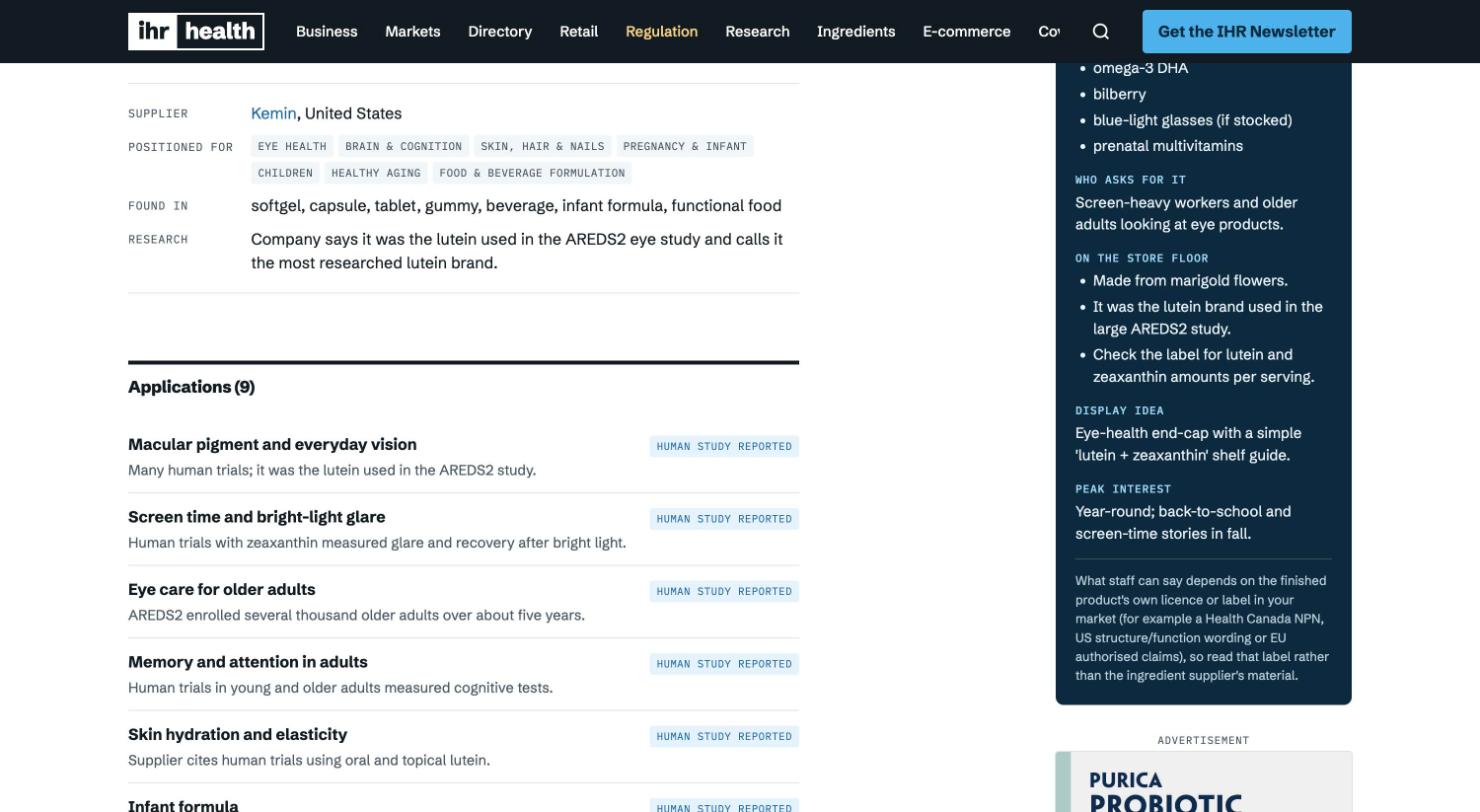
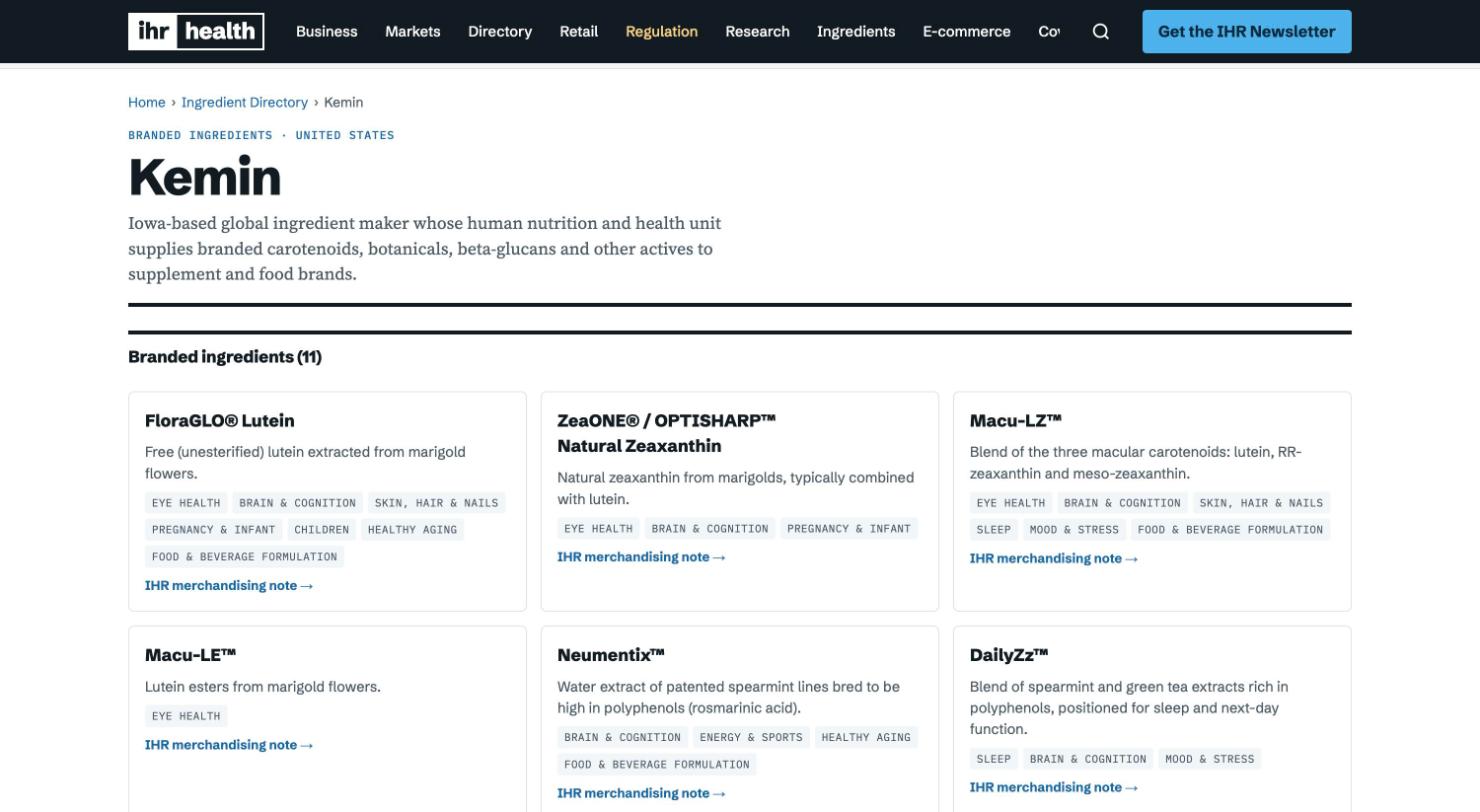
Probi counts more than 90 human clinical studies on its LP299V probiotic strain. Kemin reported “more than 130” for FloraGLO lutein in 2026, up from about 100 in 2021. Indena cites over 40 human studies on Meriva curcumin, with absorption about 30 times that of standard turmeric extract.
Each of those is a fact a staff member can say in one breath, and a fact a post can carry in one line. “The pine bark extract behind 450 published studies” stops a thumb faster than “antioxidant support”. It also keeps staff on safe ground, because it describes the ingredient’s research rather than promising a result.
The trust gap is your opening
Verdict: in categories where quality varies, a documented extract stands out. Across 2,995 samples of five herbs, an American Botanical Council review found 818 adulterated or mislabelled, about 27 per cent. Ginkgo ran highest at 56.7 per cent of 533 samples. The same review found licensed herbal medicines were adulterated less often than supplements sold without a licence, a quiet vote for Canada’s system.
The research also shows why the name matters. A 2002 review in Wiener Medizinische Wochenschrift found that trial results “cannot be transferred automatically” from one extract to another made differently. A study that year compared two ginkgo capsules, and blood levels of their active compounds “were clearly different”.
Shoppers sense the gap even without the data. In the Auditor General’s 2021 public survey, 68 per cent of respondents said they distrust natural health product advertising. A verified extract with a name gives the store something better than an adjective to answer that doubt.
Keep the promise: match the dose to the name
Verdict: the logo is only as strong as the milligrams behind it. Ingredient brands guard their names, and their rules double as a buyer’s checklist. Horphag lets a finished product show the Pycnogenol logo on the front of the pack only at 20 mg a day or more. Below that, the name can appear in the ingredient list, but the product may not refer to Pycnogenol’s benefits.
Indena defines Meriva by 18 to 22 per cent curcuminoids in a lecithin delivery form. When a product’s label dose matches the dose in the ingredient’s trials, the store can promote it with confidence. When it does not, the name is decoration, and the shelf tag should say less.
Canada’s licence rules reward the proof
Verdict: documented ingredients move faster through Health Canada. Health Canada had licensed more than 120,000 natural health products by 2022, and it receives about 10,000 applications a year. Class III applications, the route for doses or claims outside a monograph, need evidence for every parameter the monograph does not cover. A branded ingredient’s dossier is built for exactly that. Since March 5, 2025, Health Canada has prioritized Class III files for products sold or made in Canada, with a 210-day target.
New packaging is coming too. Every natural health product must carry the new product facts table by June 22, 2028. Brands redesigning their labels for that deadline have a natural moment to put an ingredient’s name and logo on the front. Bulletin 13 shows how to fold several label changes into one reprint. Investors are also buying up the companies that produce supplement proof, a sign of where value is heading.
Branded ingredients, organized for the person facing the shelf
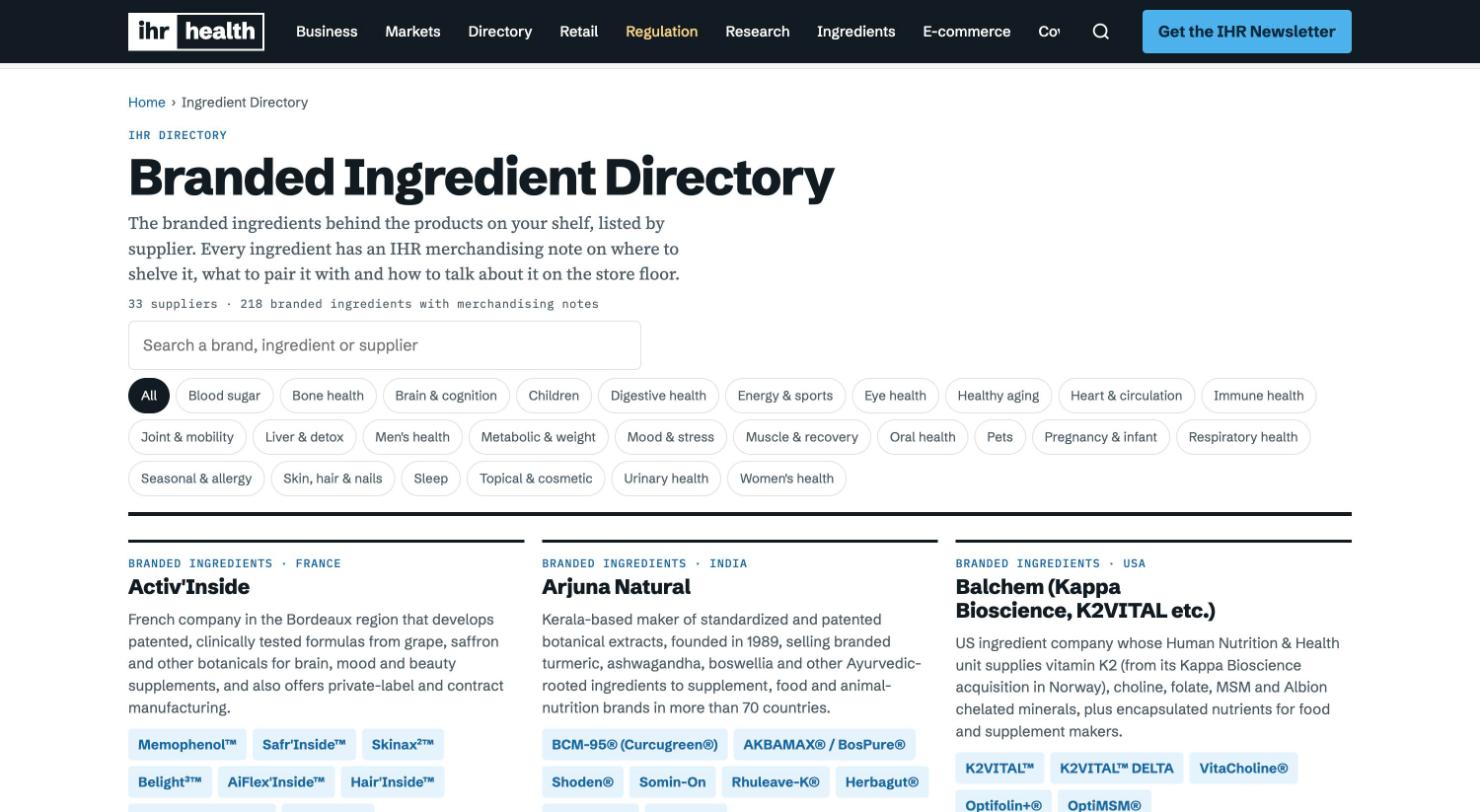
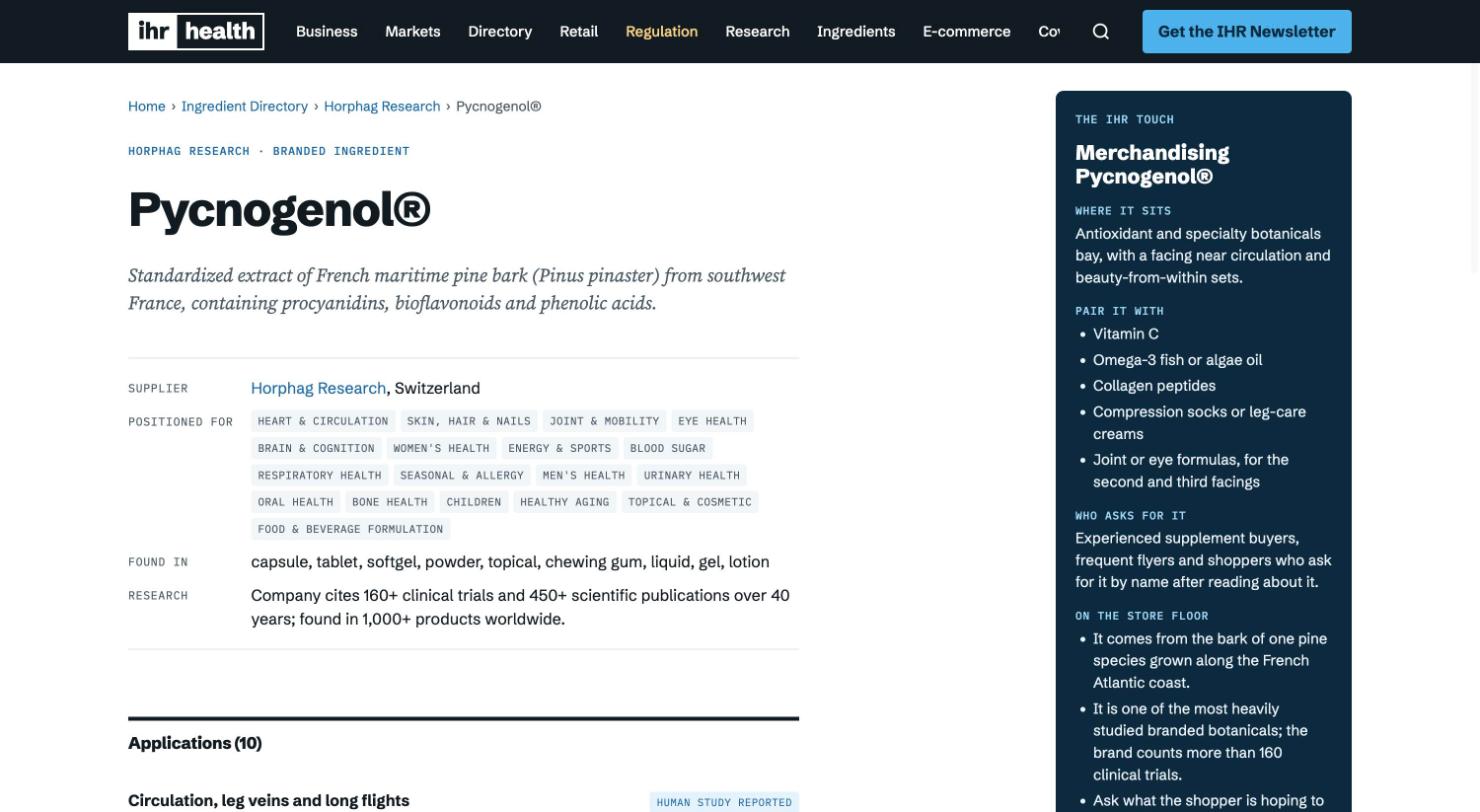
Verdict: the research now sits in one place, written for retail. IHR’s new Branded Ingredient Directory lists 287 branded ingredients from 33 suppliers. Each entry gives what the ingredient is, the forms it comes in and the research its supplier cites. Its applications are labelled by basis: a human study reported, supplier positioning, or a product format.
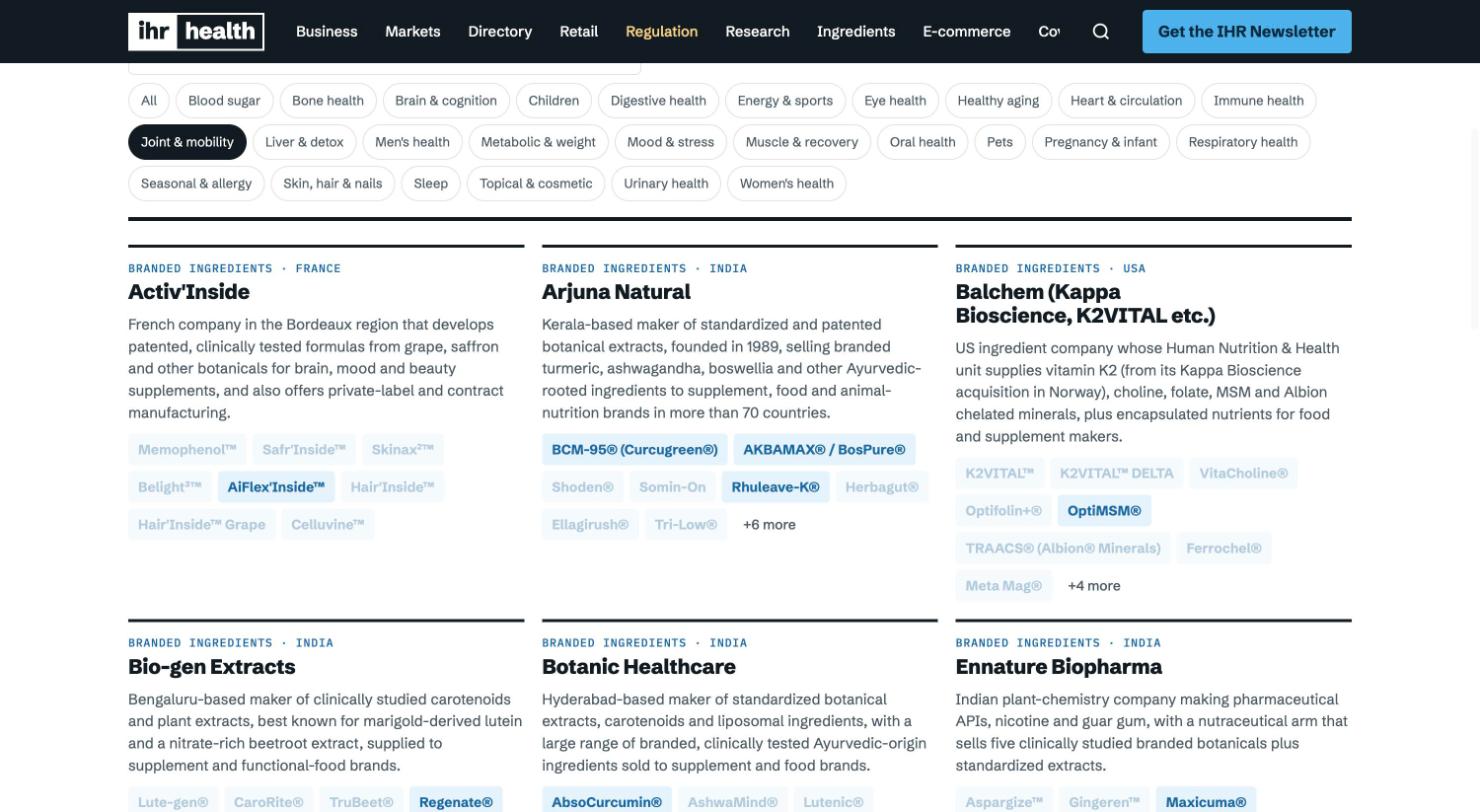
For 218 ingredients, an IHR merchandising note sits beside the facts. It covers where the product belongs in a store set, what to pair it with and who asks for it. It adds a display idea and what staff can say without making a claim. Search works by brand, ingredient, supplier or shopper need. IHR’s coverage of the Pycnogenol osteopenia trial shows the kind of study behind each entry, and Blood-Sugar Botanicals Have a Dose Problem shows why dose checks matter.
Four moves for the next reset
- Lead with the name. Put the ingredient’s name and one research fact on the shelf tag of every product built on a branded ingredient. The shopper’s eye finds a known word before a paragraph.
- Turn each fact into a post. One product photo, one ingredient name, one number from the directory entry. Keep wording to the ingredient’s research and the product’s licensed claim.
- Ask brands for their ingredient kit. Many ingredient brands license logos and supply approved artwork, facts and photos to the finished-product brands that use them. Ask your supplier what they can share for shelf and social use.
- Check dose before you promote. Feature the products whose label dose matches the ingredient’s studies, and give them the eye-level facing.
In a 1.7-second world, the store that names what is in the bottle gets the second look.
Frequently Asked Questions
How can a store check whether a product really contains a branded ingredient?
Ask the brand for a certificate of analysis that names the ingredient supplier and lot. Genuine ingredient brands license their marks, so the finished-product brand should hold a licence letter or trademark agreement. If neither exists, treat the branded name on the label as unverified until the supplier confirms the sale.
Can a store post about a branded ingredient’s research on social media?
Yes, with care. Describe the ingredient’s research as a fact, such as a study count, and link the product’s licensed claim for anything about effects. In Canada, a store’s posts count as advertising for the product, so the NPN wording applies online as it does on a shelf talker.
Are branded ingredients always worth their higher price?
Not automatically. The premium buys a fixed specification, traceability and trials on that material. It earns its keep when the dose matches the studies and the category has known quality problems. A token amount of a famous extract inside a long blend delivers the name without the studied effect.
What does the IHR Branded Ingredient Directory cost to use?
Browsing is free for everyone, including ingredient pages, applications and merchandising notes. To open a supplier’s own website, a reader registers once for the free IHR Newsletter, and every other supplier link then opens too. Suppliers are listed without charge, and a listing is not an endorsement by IHR.
This is independent editorial analysis by IHR Magazine. It names branded ingredients as examples of a category, not as endorsements. Verify each product’s NPN and licensed claims before using any wording in store or online.
Sections: Ingredient Reviews
More in Ingredient Reviews
- Pycnogenol® in Women With Osteopenia: What a 14-Point Pain Result Means for the Bone Aisle
- Blood-Sugar Botanicals Have a Dose Problem
- Seaweed Enters the Prostate Aisle: What Fucoidan’s First BPH Trial Means for Retailers
- Liver Wellness Is Having a Moment — What’s Real, What’s Regulated, and How Canadian Retailers Should Play It
- Skinimalism Hits the Supplement Aisle: The Multifunctional Ingredient Opportunity
- Fiberstar, Inc. Launches New Organic Citrus Fibers for Food & Beverages