





Stores and brands that sell through delivery apps are about to lose their bargaining power, and the ads above their products will be priced by a single seller.
By Yehuda B Abraham, IHR Magazine. November 4, 2026.
DoorDash has agreed to buy Instacart for about US$17 billion, bringing the biggest food delivery app and the best-known grocery delivery platform under one roof. The DoorDash Instacart deal was announced October 29. If Canada’s Competition Bureau lets it through, a single company would run the online storefronts of most large grocers and pharmacy chains in the country.
Look at who uses each app today. Instacart delivers for Loblaw, Shoppers Drug Mart, Walmart Canada, Costco and Metro. It also carries independents such as Healthy Planet, Popeye’s Supplements and Nature’s Emporium. DoorDash signed Empire’s banners in April, from Sobeys and Safeway to Farm Boy and Longo’s. A health food store or supplement brand negotiating delivery terms today can still threaten to move to the rival app. After closing, there would be no rival app to move to.
What DoorDash is paying, and when the deal closes
The offer is US$65 per Instacart share. That is 26 per cent above the October 22 closing price, and at least three-quarters of it will be paid in cash. Shareholders holding about 19 per cent of Instacart have already promised their votes. The companies expect to close in late 2027 or the first half of 2028, once regulators in the U.S., Canada and Israel sign off.
DoorDash plans to keep the Instacart name, its app and the software it sells to retailers. DashPass and Instacart+ members would eventually pay a single fee. Until closing, grocers can keep working with either company. DoorDash expects US$500 million or more a year in net synergies, reached over several years.
Neither business needed rescuing. DoorDash handled 993 million orders in the third quarter, and its U.S. grocery and retail sales grew more than twice as fast as its restaurant orders. Instacart moved US$10.5 billion of groceries on 91.4 million orders, up 15 and 10 per cent respectively.
Why the DoorDash Instacart deal matters to retailers
Big grocers have used the rivalry to get better terms. Last fall Kroger put all 2,700 of its U.S. stores on DoorDash and kept Instacart for same-day delivery. Wedbush estimated that Kroger at the time accounted for more than 10 per cent of Instacart’s sales volume. A chain with that kind of weight can play one app against the other. An independent rarely could, and after the merger nobody will.
U.S. data show how much of the market the two hold together. Consumer Edge puts DoorDash at 59 per cent of delivery-app spending and Instacart at 18 per cent, with Uber Eats just under 20 per cent. No equivalent Canadian figures are public. DoorDash says a quarter of its monthly active Canadian users bought grocery, convenience, alcohol or retail items in December 2025.
U.S. regulators are already watching the fees. Instacart paid US$60 million to settle a Federal Trade Commission case over “free delivery” claims. In June the FTC went after platform fee practices that it says push consumer costs up by 25 to 90 per cent.
Supplement brands face a bigger ad bill
At Instacart, advertising is growing faster than delivery. Ad and other revenue rose 23 per cent in the third quarter to US$331 million, while transaction revenue rose 14 per cent. Put another way, Instacart earned about US$3.14 from ads and related services for every US$100 of groceries it sold. DoorDash crossed US$1 billion in ad revenue in 2024.
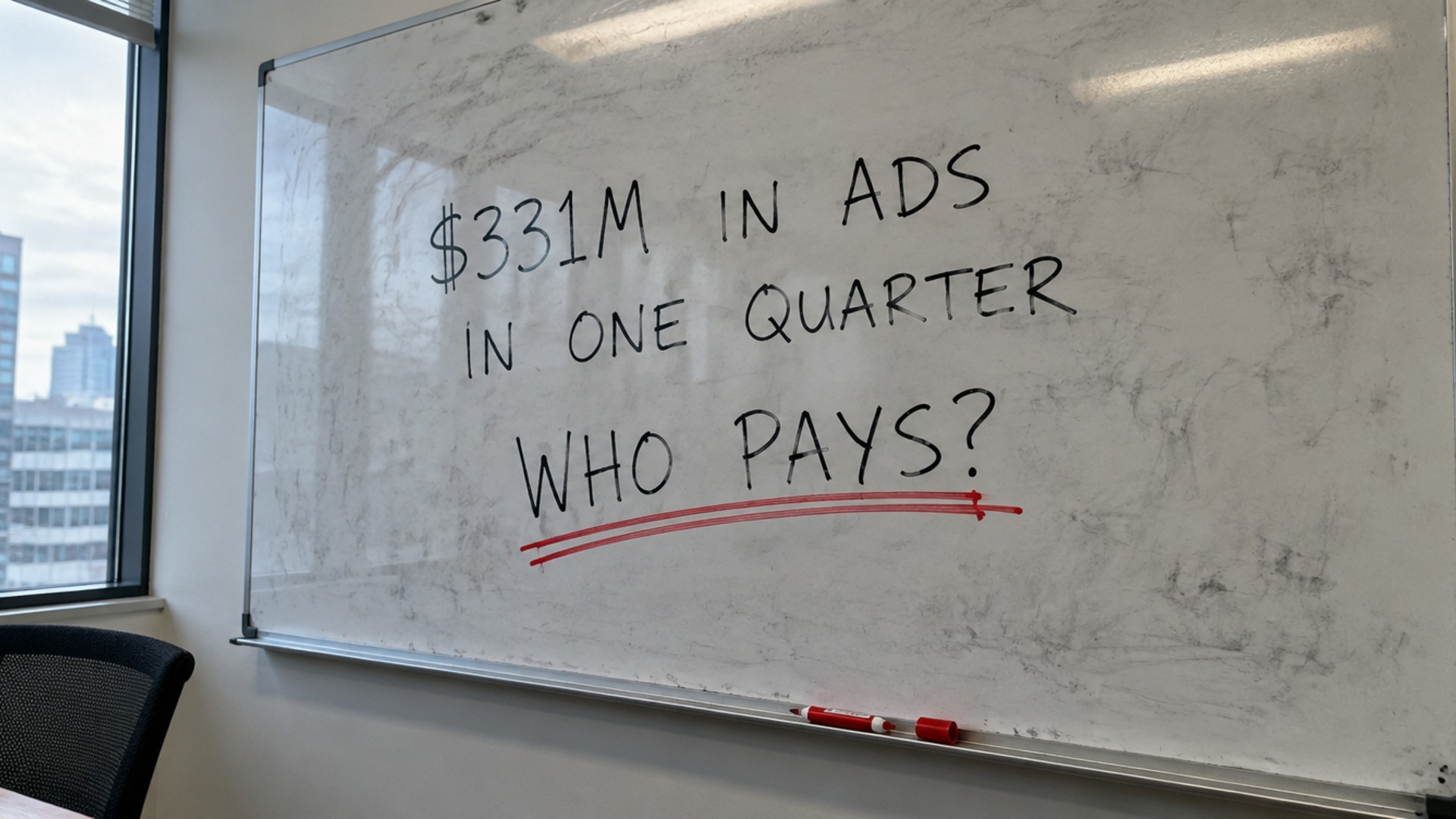
Instacart’s Carrot Ads software also powers the retail media networks of more than 240 retailer websites, with more than 7,500 consumer goods advertisers buying space. When a shopper searches for vitamin D or magnesium in a delivery app, a paid placement usually decides which bottle comes up first. By IHR’s calculation, Instacart’s average order last quarter was about US$115 and DoorDash’s about US$34. The merged company would sell placement in the big weekly shop and in the small late-night order alike.
Those placements fall under Health Canada’s advertising rules. A sponsored listing for a natural health product is an ad, so its claims have to match the wording on the product’s NPN licence. Copy written for U.S. structure-function rules often goes further than a Canadian licence allows.
Ottawa’s review will be tougher than past ones
Canada rewrote its merger rules in 2024. A deal is now presumed to hurt competition when the merged firm would hold more than 30 per cent of a market, or when concentration passes set thresholds. DoorDash and Instacart can try to rebut that. What they cannot do is argue that cost savings make up for the harm, because Parliament repealed the efficiencies defence in December 2023.

Much will depend on how the Bureau defines the market. Measured against everything Canadians spend on groceries, two delivery apps are a small slice. Measured as the channel stores use to reach online shoppers, they cover most of it. The Bureau settles questions like this with evidence, and much of that evidence comes from suppliers and retailers.
What retailers and brands can do now
- Measure your dependence. Pull 12 months of sales, fees and ad spend for each app and each banner.
- Negotiate while there are still two sellers. Sign 2027 delivery and retail media terms now, and set renewal dates near the expected closing.
- Ask about your data. Find out whether your storefront and shopper data could pass to DoorDash once the deal closes.
- Check every sponsored listing against your NPN licence wording.
- Grow a channel you control, whether that is your own site, local delivery or a shared fulfilment network.
The deal is at least a year away from closing, and Ottawa could still block it or attach conditions. Contracts signed before then will set the starting point for whatever follows.
Frequently Asked Questions
When will the DoorDash Instacart deal close, and what changes before then?
Both companies expect completion between the end of 2027 and mid-2028. Until then they must compete as separate firms, so current contracts, ad accounts and storefront agreements stay in force. Instacart has suspended its financial guidance and cancelled its November 5 earnings call, which is standard while a takeover is pending.
Will the Instacart app disappear in Canada?
No change has been announced for Canadian shoppers or stores. Instacart’s enterprise products, which power some retailers’ own branded storefronts and ad networks, stay in the business. Retailers on those tools should review contract terms on change of control, data use and renewal dates now, while both companies still negotiate separately.
How can a supplier raise concerns with the Competition Bureau?
The Bureau accepts information from businesses through its online complaint form and by phone. Concrete evidence carries the most weight: your share of online sales by platform, fee or ad-rate changes over time, and whether alternatives exist in your region. Information can be submitted confidentially, and you do not need a lawyer to file.
Does a sponsored product listing need to follow Health Canada advertising rules?
Yes. A paid placement promoting a licensed natural health product is advertising, so it must stay within the product’s NPN authorization. Check headline text, images and search keywords. Retailers running their own retail media network should screen supplier creative before it goes live, because the storefront carries their banner.