




When The Humane League escalated its national campaign against Kroger this month to name Harris Teeter directly, it did more than target one premium American grocer. It signalled a structural shift that every Canadian health retailer, grocery category manager, and supplement brand should be tracking closely: animal welfare sourcing has moved from a back-of-house procurement detail to a front-of-store trust issue—and the gap between marketing promises and supply chain reality is now where reputations are won and lost.
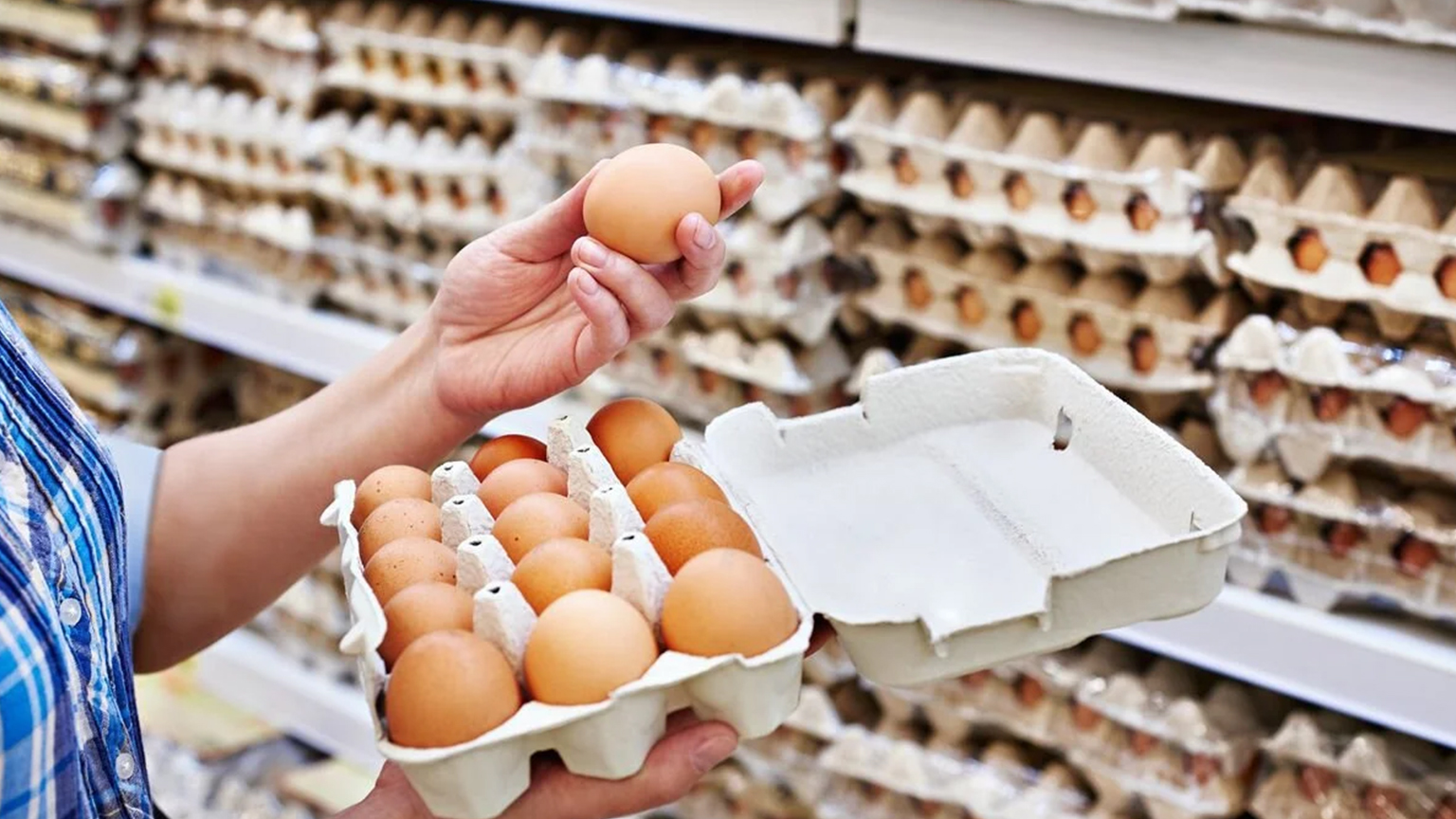
The campaign’s mechanics are instructive. The Humane League is calling on Harris Teeter, which sources an estimated 429 million eggs annually and impacts roughly 1.5 million hens each year, to publish a clear roadmap for transitioning 100% of its egg supply to cage-free sourcing. The advocacy group anchored its push with a children’s book, Harriet the Dragon and the Secret of the Dungeons, a parody of the grocer’s mascot designed to reach the exact demographic Harris Teeter depends on: parents and loyal shoppers. The strategic logic is unmistakable. As The Humane League CEO Dan Shannon framed it, “You cannot claim to offer a premium grocery experience and care about your customers while not fulfilling basic animal welfare.” The pressure point is not the egg itself. It is the contradiction between an upscale brand promise and an opaque supply chain.
Why This Is a Canadian Story, Not Just an American One
It would be easy for Canadian operators to file this under “U.S. retail politics.” That would be a mistake. The same reckoning is already unfolding here, and the Canadian numbers are arguably more exposed.
In 2016, members of the Retail Council of Canada—including Loblaw, Metro, Sobeys, and Walmart Canada—voluntarily committed to sourcing 100% cage-free eggs by the end of 2025. That deadline has now passed. Yet a 2025 assessment from Mercy For Animals found that the country’s largest grocers have largely failed to deliver, with none of the top retailers assessed meeting their targets or publishing a detailed plan to get there. Loblaw was reported at roughly 16% cage-free. Sobeys sat at 17–18%, with little measurable progress over four years. Costco, which reports being 97% cage-free in the United States, was assessed at only 21.3% in Canada. Eight major companies received failing grades.
That last data point should stop every Canadian category manager cold. A retailer operating at 97% cage-free in one market and 21% in another is not facing a supply problem. It is making a sourcing choice—and it is a choice that becomes indefensible the moment a campaign group, a journalist, or a well-organized parent decides to make it visible.
The Supply Excuse Is Collapsing
For years, the standard industry defence against accelerated cage-free timelines was supply constraint: the systems simply were not in place to convert at scale without driving prices to unacceptable levels. That argument is now eroding in real time. As of April 2026, nearly half of the U.S. egg-laying flock—47.7%—is already cage-free, and producers continue investing in higher-welfare systems. With more than 57% of U.S. eggs sold through retail, grocers are not passive recipients of whatever the supply chain produces. Through pricing, shelf placement, and promotion, they actively shape what lands in the cart.
In other words, the lever was always in the retailer’s hands. As the market crosses the halfway mark on cage-free production, “we can’t source it” stops reading as an operational reality and starts reading as a positioning decision. For a premium banner, that is a dangerous place to be standing when the spotlight arrives.
The Competitive Divide: Transparency as a Moat
What makes the Harris Teeter campaign commercially significant is the contrast it draws between leaders and laggards. Ahold Delhaize has published detailed, year-by-year roadmaps to 100% cage-free sourcing. Target has released an updated commitment with a 2030 timeline, progress reporting by unit sales, and defined steps to guide shoppers toward cage-free options. Food Lion has moved ahead with more transparent sourcing plans. These retailers have effectively converted compliance into a marketing asset—and, just as importantly, into reputational insurance.
The retailers without a public roadmap are left holding all of the risk and none of the upside. They absorb the same long-term cost pressures as their competitors, but they forfeit the trust dividend that transparency pays. In a category where “quality” and “trust” are the entire brand premise, that is a structurally weak position. The lesson for Canadian retail leadership is direct: a credible, published, time-bound plan is no longer a nice-to-have sustainability gesture. It is competitive infrastructure.
What This Means for the Natural Health and Wellness Channel
For IHR Magazine’s core audience—natural health retailers, independent health food stores, pharmacy operators, and the supplement and functional food brands that supply them—the cage-free story carries a sharper edge than it does for conventional grocery.
The natural and organic channel built its entire value proposition on the promise of higher standards: cleaner sourcing, greater transparency, and a more trustworthy relationship between shopper and shelf. That promise is precisely what makes the channel both more credible and more vulnerable. A conventional banner caught with a 21% cage-free figure faces an awkward news cycle. A retailer or brand positioned on ethics and transparency caught in the same gap faces an existential one, because the contradiction strikes at the core of why customers chose them in the first place.
There is a corresponding opportunity. Independent health retailers have always been able to move faster than national chains, and the cage-free divide is a chance to demonstrate that agility commercially. Stocking and signposting verified higher-welfare eggs and egg-based functional products, sourcing from suppliers who can document their practices, and communicating those standards plainly at shelf converts an industry pressure point into a point of differentiation. For functional food and supplement brands using egg-derived ingredients—egg-white protein, certain lipids, and emerging formulation inputs—supply chain documentation is quietly becoming a procurement and retail-listing requirement, not just a values statement. Brands that can answer the sourcing question before it is asked will clear retail buying reviews faster.
The Strategic Outlook
The trajectory is now visible. Animal welfare transparency is following the same path that ingredient transparency and clean-label claims travelled over the past decade: from activist talking point, to differentiated marketing claim, to baseline expectation. The retailers and brands that treat the current moment as a communications nuisance will find themselves managing it as a crisis later. Those that treat it as an early signal will build the documentation, supplier relationships, and public roadmaps that turn a looming liability into a trust asset.
The Harris Teeter campaign is not really about one grocer’s eggs. It is a preview of how scrutiny now travels—fast, targeted, and aimed squarely at the gap between what a brand says and what its supply chain does. In Canada, where the 2025 cage-free deadline has already come and gone unmet, that gap is wide open. The smartest operators in natural health retail will read this campaign not as someone else’s problem, but as a countdown clock on their own credibility—and start closing the distance now, while doing so is still a choice rather than a reaction.
FAQ
What is cage-free egg sourcing? Cage-free sourcing means eggs come from hens that are not confined to battery cages and can move freely within a barn or housing system. It is a higher-welfare standard that retailers and brands increasingly use as a benchmark for responsible procurement and consumer-facing trust claims.
Why are retailers being pressured on cage-free eggs in 2026? Advocacy groups such as The Humane League are escalating campaigns because the supply-side justification for delay is weakening—nearly 48% of the U.S. egg-laying flock is already cage-free as of April 2026—while several major retailers still have not published transparent roadmaps. The pressure targets the gap between premium brand promises and opaque sourcing practices.
Have Canadian grocers met their cage-free commitments? Largely no. Major Canadian grocers committed to 100% cage-free sourcing by the end of 2025, but 2025 assessments found leading retailers well short—Loblaw near 16% and Sobeys around 17–18%—with none publishing a detailed completion plan, according to Mercy For Animals.
Why does egg sourcing matter to natural health and supplement businesses? The natural health channel is built on transparency and higher standards, so any gap between stated values and actual sourcing is a heightened reputational risk. It is also an opportunity: independent retailers and ingredient-led brands that can document higher-welfare sourcing gain a differentiation and retail-listing advantage.