



There is a shopper standing in your weight-management section right now who used to buy three products from it and now buys none. She has not become less health-conscious. She has not left the store. She has simply started a GLP-1 medication, and the appetite suppressant, the fat metaboliser, and the meal-replacement shake that used to fill her basket have been made redundant by a weekly injection. What she needs instead — protein, fibre, electrolytes, a B-complex, something for the nausea — is scattered across four different aisles, poorly signed, and merchandised as if she were a bodybuilder rather than a 54-year-old woman protecting her muscle mass.
That shopper is not an edge case. She is roughly three million Canadians, a population that makes Canada the second-largest GLP-1 market in the world, with one in five adults now using or actively considering these drugs. The category math has already changed. Most retail shelves have not.
This is the central merchandising problem of the next 36 months, and it cuts in two directions at once. GLP-1 medications are simultaneously a demand-destruction event for some of the most reliable categories in health retail and a demand-creation event for a cluster of adjacent ones. The retailers who understand both halves of that equation — and physically reorganize their floor space to match — will convert a perceived threat into one of the strongest basket-building opportunities the channel has seen since the probiotic boom.
Where the money is leaving
Start with the uncomfortable side of the ledger, because pretending it isn’t happening is how retailers get caught flat. GLP-1 users eat roughly 20 per cent less and, by some measures, spend nearly a third less on groceries. The U.S. meal-replacement category absorbed an estimated US$1.5 billion setback attributed directly to these drugs, with category leaders like Medifast posting sharp declines. The mechanism is simple and unsentimental: when a pharmaceutical reliably suppresses appetite, the commercial logic of an appetite-suppressing supplement collapses.
The exposed categories are predictable. Thermogenic fat burners, appetite-control formulas, high-sugar meal-replacement shakes, and many traditional “diet” SKUs are all built on a value proposition the drug now delivers more effectively. These products are not going to disappear overnight — adoption is uneven, cost and coverage remain real barriers, and a meaningful share of consumers will always prefer a non-pharmaceutical route. But the trajectory is clear, and the smart inventory decision is to stop treating these as growth SKUs, tighten facings, protect margin rather than volume, and resist the temptation to discount your way out of a structural shift. A category in secular decline should be managed for cash, not defended with price.
The strategic error is to stop the analysis there, conclude that GLP-1 is bad for the supplement business, and brace for impact. That reading misses the larger move.

Where the money is moving
The same drug that suppresses appetite also creates a precise, well-documented set of physiological gaps — and every one of them maps to a retail category you already stock. This is the part of the story that should be on the planogram.
Muscle preservation is the anchor. Because GLP-1 users lose weight rapidly while eating less, a significant fraction of that loss can come from lean muscle unless protein intake is deliberately maintained — clinical guidance points to roughly 1.2 to 2 grams of protein per kilogram of body weight daily, around 30 grams per meal, which is genuinely difficult to hit on a suppressed appetite. That single fact is rebuilding the protein category around a new shopper who is not an athlete, does not care about pump, and wants clean, high-density, easy-to-consume protein in formats that go down easily. The broader GLP-1 nutrition and muscle-health market was valued at roughly US$3.8 billion in 2025 and is forecast to approach US$19 billion by 2032, a compound annual growth rate near 26 per cent. That is not an adjacent niche. That is the growth engine of the supplement floor for the rest of the decade.
Around that anchor sits a cluster of support categories driven by the drugs’ side-effect profile: fibre (psyllium and inulin) for the constipation that affects a large share of users; electrolytes for the dehydration that follows reduced fluid and food intake; B12 and B-complex for the fatigue of a sustained caloric deficit; vitamin D for bone health during rapid weight loss; digestive enzymes and ginger-based formats for nausea; and collagen and biotin positioned against the hair thinning that users report and fear. Each of these is a category you can stock today, sourced from suppliers you already buy from. The opportunity is not a new product line. It is a new organizing logic for products you already carry.
The merchandising thesis: build the basket the drug creates
Here is the commercial insight that should drive every floor-space decision: the GLP-1 user is one of the highest-value, most predictable, most loyalty-prone shoppers to enter health retail in a generation. Their needs are stable, recurring, and clinically defined. They are anxious about doing the drug “right” and actively seeking guidance. And they are currently being served — badly — by a store layout that forces them to assemble their own regimen from a protein aisle, a digestive aisle, a vitamin wall, and an electrolyte endcap that were never designed to talk to each other.
The retailer who solves that fragmentation wins the basket. The single highest-leverage move available right now is to create a defined GLP-1 support destination — a clearly signed, shoppable zone, whether a dedicated bay, a well-built endcap, or a cross-merchandised “solution” set — that brings protein, fibre, electrolytes, B-vitamins, and side-effect support into one decision. This does three things at once: it raises units per transaction by converting a single-item trip into a regimen purchase, it builds trust by positioning the store as the place that understands this shopper, and it captures the predictable repeat purchase that protein and fibre generate. A basket assembled by a confused customer is two items. A basket assembled by a good planogram is six.
This is also where the threat and the opportunity resolve into a single action. The shelf space you reclaim from declining fat-burners and diet shakes is precisely the space the GLP-1 support destination needs. You are not adding square footage. You are reallocating it from a shrinking job to a growing one.
What this means by channel
For independent health-food retailers, the advantage is staff intimacy and the ability to act on the floor this week, not next quarter — a well-trained associate who can talk a nervous first-month GLP-1 user through protein targets and constipation management is a moat that no e-commerce algorithm and no big-box endcap can replicate. For pharmacy operators, the integration opportunity is unusually clean: the prescription and the support regimen can be merchandised in proximity, and the pharmacist’s authority makes the support basket a natural, compliant conversation rather than a hard sell. For grocery category managers, the play is scale and adjacency — protein and fibre sets positioned with deliberate logic, GLP-1-aware signage in the supplement and better-for-you aisles, and a willingness to reformulate facings around satiety and density rather than calorie-cutting.
Across every channel the underlying move is identical. Stop merchandising the weight-management category as a weight-loss problem. Start merchandising it as a metabolic-support and muscle-preservation solution. The shopper has already made that shift. The shelf needs to catch up.
The outlook
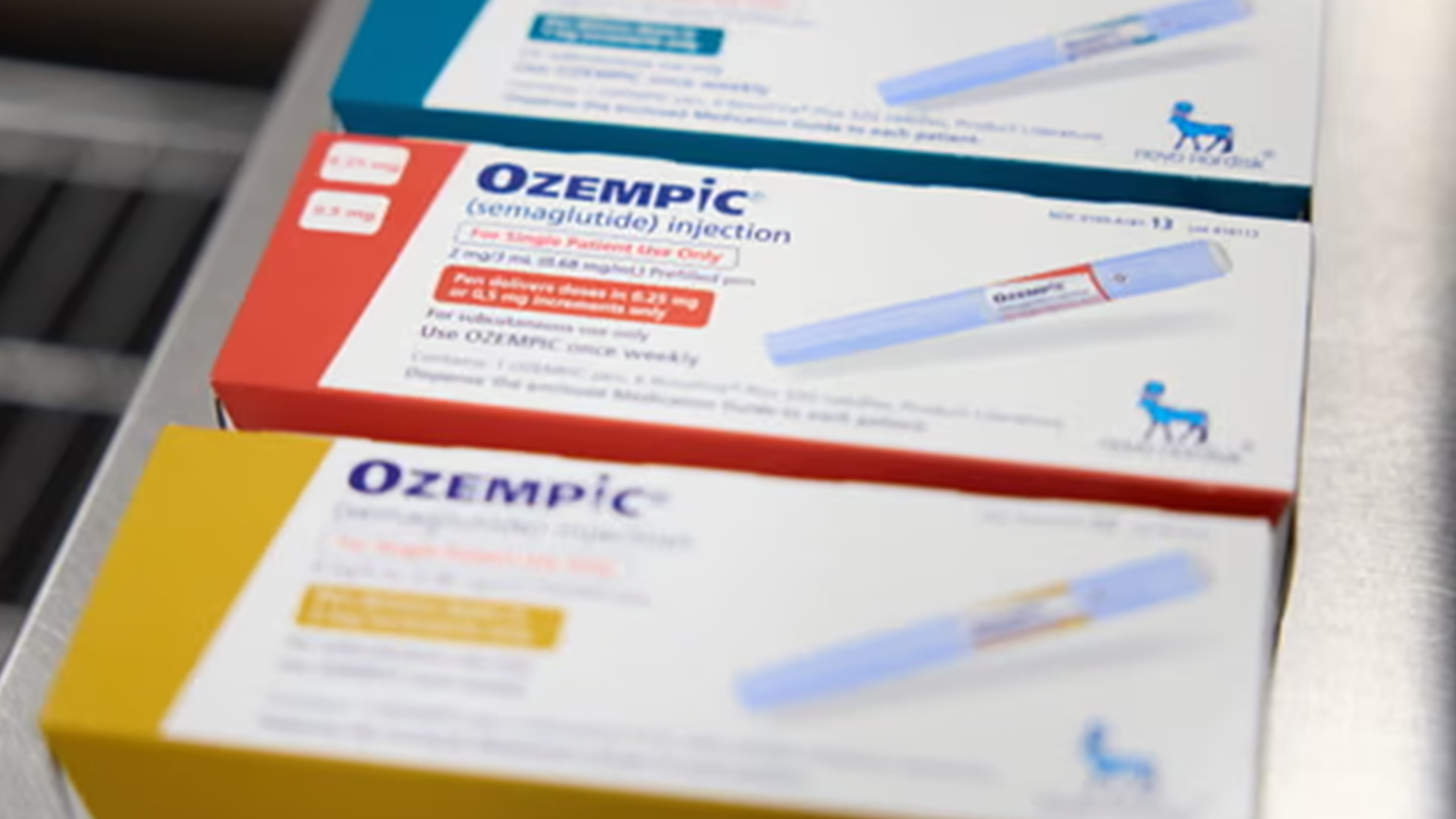
Two forces will accelerate this through 2026 and beyond. Ozempic’s Canadian patent expiry and the arrival of generics will lower the cost barrier that currently caps adoption, pulling more of that one-in-five “considering” population into active use and enlarging the support basket accordingly. And the supplement industry itself is racing to build purpose-formulated GLP-1 companion products — integrated protein-fibre-enzyme systems explicitly designed for these users — which means the category will soon have hero SKUs and brand marketing that pull demand into stores. The retailers who have already built the destination will capture that demand. The retailers still merchandising fat-burners at full facing will watch it walk to whoever did the work first.
The GLP-1 era is not the end of the supplement aisle. It is its largest reorganization in twenty years. The money is not disappearing — it is moving a few feet down the shelf, from the categories the drug replaces to the categories the drug requires. The only question that matters for your floor plan is whether you have moved with it.
Frequently asked questions
How should retailers merchandise for GLP-1 users?
Build a single, clearly signed GLP-1 support destination that brings protein, fibre, electrolytes, B-vitamins, and side-effect support into one shoppable zone. Anchor it on protein at eye level for muscle preservation, and fund the space by reclaiming facings from declining appetite suppressants, fat burners, and diet shakes.
Which supplement categories does GLP-1 grow, and which does it shrink?
GLP-1 grows protein, fibre, electrolytes, B12 and B-complex, vitamin D, digestive enzymes, and collagen — the products that fill the nutrient gaps created by eating less. It shrinks appetite suppressants, thermogenic fat burners, and high-sugar meal-replacement shakes, whose value proposition the drug now delivers directly.
Why do GLP-1 users need more protein?
Because they lose weight rapidly while eating less, much of that loss can come from lean muscle unless protein is deliberately maintained — clinical guidance points to roughly 1.2 to 2 grams per kilogram of body weight daily (around 30 grams per meal), which is hard to reach on a suppressed appetite.
How big is the GLP-1 supplement opportunity?
The GLP-1 nutrition and muscle-health market was valued at roughly US$3.8 billion in 2025 and is forecast to approach US$19 billion by 2032 — a compound annual growth rate near 26%. In Canada, about three million adults now use GLP-1 drugs, with one in five adults using or considering them.
Can retailers mention Ozempic or weight-loss drugs on shelf signage?
No. In Canada, supplements are Natural Health Products and may only carry claims authorized under their NPN. Signage should describe general nutritional support, avoid naming any drug brand, and never claim a supplement treats a medication or its side effects. Medical, dosing, and interaction questions belong with a pharmacist or physician.