




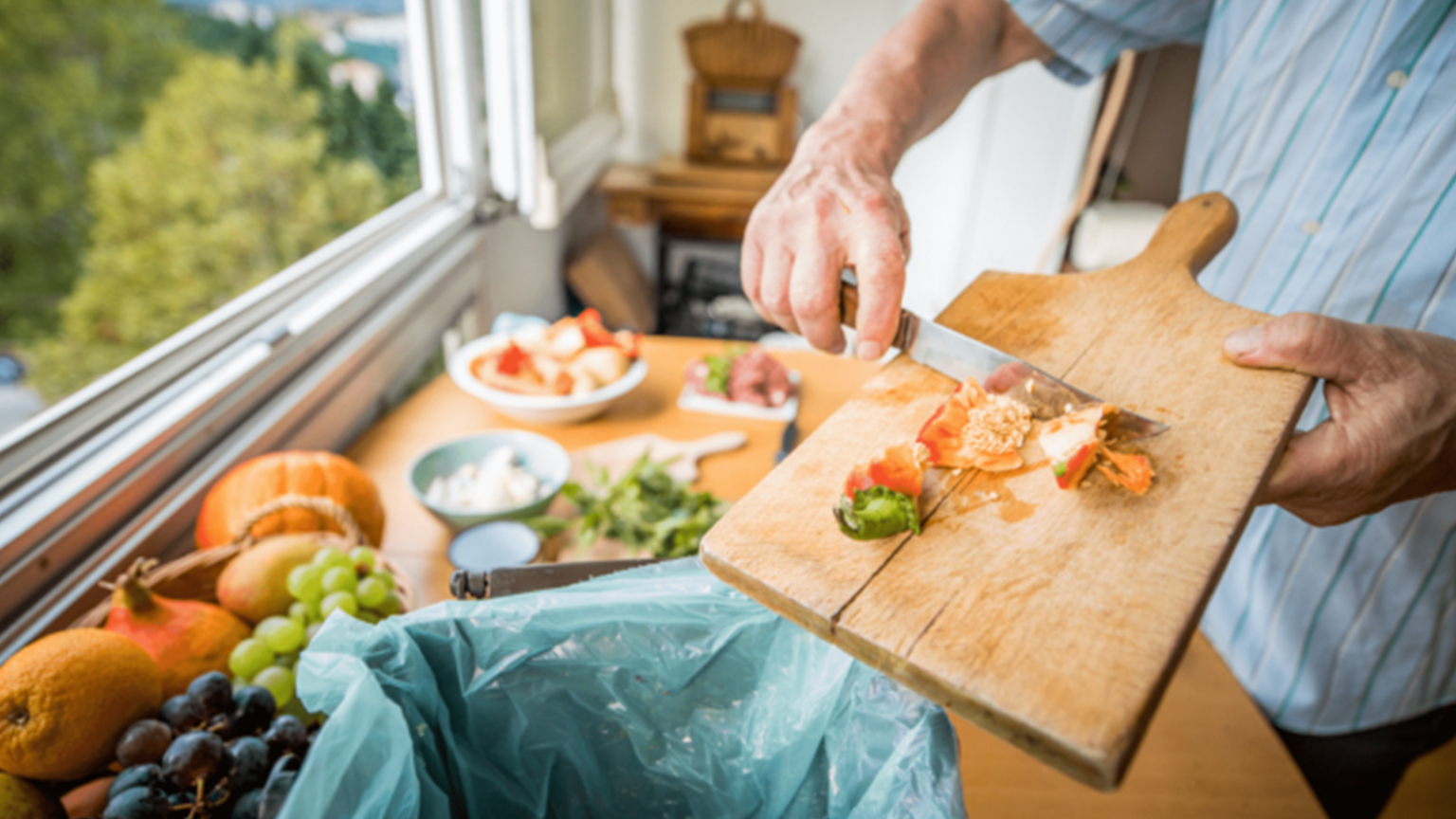
The Most Expensive Inventory in Food Retail Is the Inventory That Never Gets Sold
Every day across Canada, perfectly edible food quietly disappears from shelves.
A bakery closes with unsold pastries.
A produce shop removes aging inventory before peak freshness slips too far.
A neighbourhood café throws out prepared meals that never found a customer.
For decades, those losses were accepted as part of doing business.
Now, that assumption is starting to change.
FoodHero is expanding its model to independent food retailers across Canada, opening its surplus food platform to neighbourhood grocers, bakeries, cafés, produce stores, restaurants, and specialty food businesses. Previously focused primarily on major grocery chains, the company is now moving directly into the independent retail sector, where food waste remains both a financial burden and an operational challenge.
The timing is strategic.
As grocery inflation continues to pressure Canadian households, consumers are becoming increasingly price-conscious while retailers search for ways to recover lost margins without compromising quality. At the same time, sustainability is no longer simply a branding exercise. It is becoming deeply connected to operational efficiency and profitability.
FoodHero’s expansion sits directly at the intersection of those realities.
Its platform allows retailers to sell surplus inventory at discounted prices before products become waste, helping businesses recover revenue from inventory that would otherwise be discarded while offering consumers lower-cost food options from local stores they already know and trust.
The Retail Waste Problem Is Bigger Than Most Realize
Canada’s food waste challenge has become both an environmental and economic issue.
Nearly half of all food produced in Canada is never consumed. More importantly, roughly 40% of that waste is considered avoidable, representing approximately $58 billion in annual losses. A significant portion of those losses occurs at the retail level, where products approaching best-before dates or experiencing lower turnover are routinely removed from shelves despite remaining perfectly edible.
That disconnect is becoming increasingly visible to consumers.
As grocery prices continue to rise, shoppers are simultaneously searching for value while becoming more conscious of sustainability and food system inefficiencies. Retailers are now operating in an environment where reducing waste can also strengthen customer perception and retention.
FoodHero’s expansion into independent retail appears designed to capitalize on exactly that shift.
Instead of positioning surplus food strictly as a sustainability initiative, the platform increasingly frames it as a retail optimization and affordability strategy.
For neighbourhood businesses, the implications are substantial:
Generate revenue from inventory previously written off
Increase traffic from price-sensitive shoppers
Improve inventory turnover
Strengthen sustainability positioning locally
Compete more effectively against larger discount-driven chains
The model also aligns particularly well with independent retail, where purchasing is often more localized, inventory levels are tighter, and community loyalty plays a larger role in customer retention.
Early Montreal Pilot Suggests Strong Consumer Interest
A pilot project launched in Montreal during the fall of 2025 provided early indications that the concept resonates with both retailers and consumers.
According to the company, participating businesses viewed the platform not only as a waste-reduction tool, but also as a customer acquisition channel capable of introducing new consumers to local businesses.
“The results we’ve seen from our pilot with independent retailers over the past few months have been very encouraging,” said Renaud LeBlanc, president of FoodHero. “They confirm there is a real need, both among businesses and consumers, and that this approach aligns with our vision of better valuing surplus food.”
The company also noted that rising grocery costs are accelerating consumer openness toward discounted surplus inventory.
That trend reflects a broader shift already occurring across retail categories. Consumers are increasingly prioritizing value-based purchasing, but without wanting to sacrifice quality. In food retail specifically, that has created growing acceptance around surplus products, short-dated inventory, and imperfect produce categories that previously carried stronger stigma.
FoodHero’s participation as official presenting partner at the annual conference of the Quebec association of commercial development corporations (RSDCQ) earlier this month further signals the company’s intention to scale rapidly across independent retail networks.
The initiative reportedly generated strong interest among local business development stakeholders, suggesting municipalities and commercial districts may increasingly view food waste technology platforms as part of broader local economic resilience strategies.
For retailers, the timing may be particularly important.
Independent businesses continue to face mounting competitive pressure from large-scale grocery infrastructure, aggressive pricing models, and consumer expectations shaped by digital convenience platforms. Solutions capable of simultaneously improving margins, reducing shrink, and increasing consumer engagement are becoming increasingly valuable.
FoodHero’s expansion reflects a broader reality emerging across Canadian retail:
Waste reduction is no longer only an environmental conversation.
It is becoming a business strategy.