



A quiet but significant change to Canada’s food rules is about to reshape what “clean label” really means at the meat counter. Health Canada is updating its Novel Foods framework in a way that would remove cloned cattle and swine from the definition of “novel foods”.
In practice, this means beef and pork from cloned animal lines could enter the Canadian food supply without a dedicated novel food safety review and without mandatory labelling to identify cloned origins. On the shelf, cloned and non-cloned products would look identical to the average shopper.
Cloned animals are typically produced through advanced reproductive technologies, with their offspring entering the conventional meat stream. Under the previous approach, foods from cloned livestock were treated as “novel” and captured under a specific policy for pre-market assessment. The new direction aligns cloned beef and pork with conventional meat, while leaving consumers with no clear way to distinguish between the two.
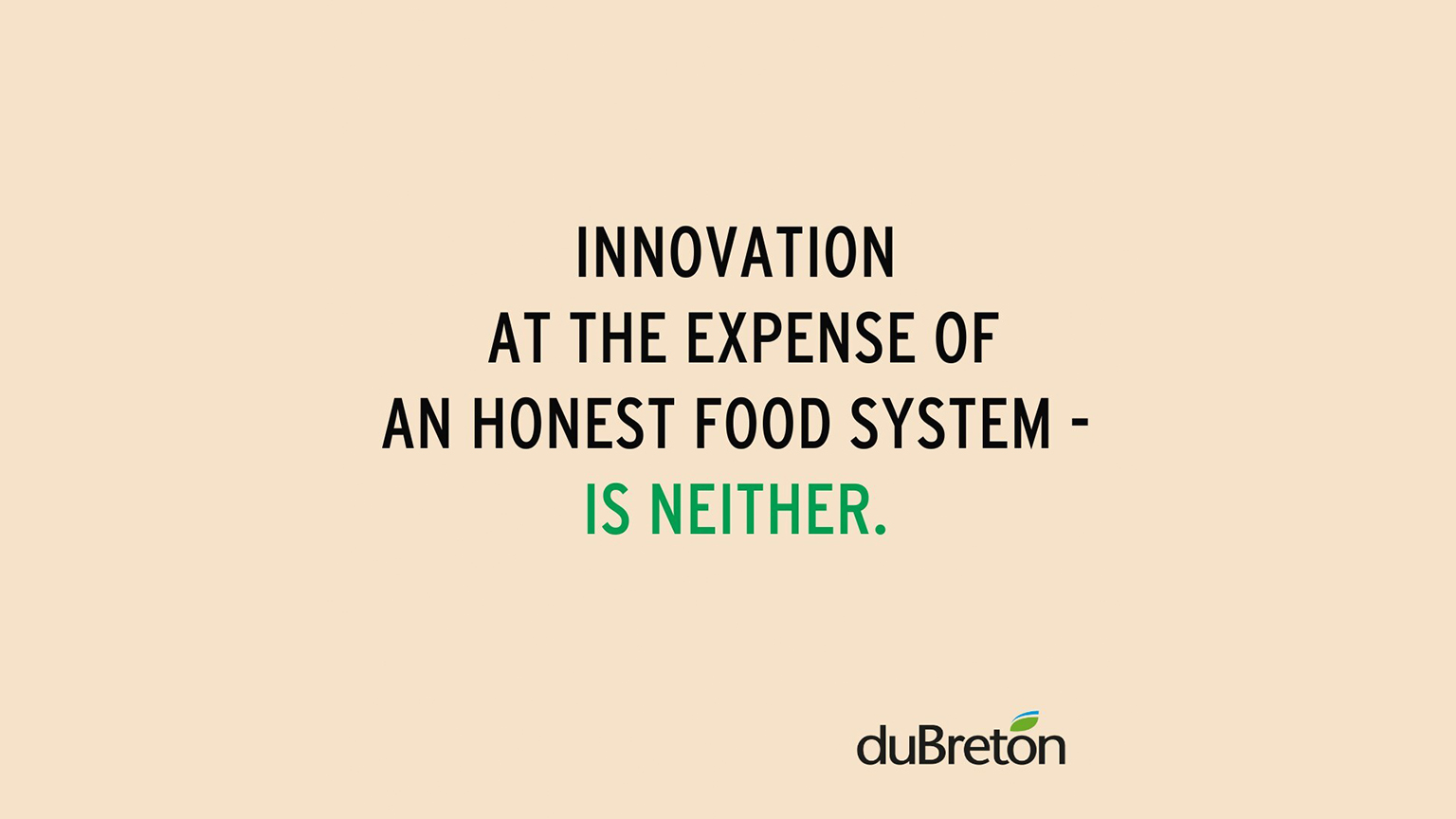
One Canadian pork producer is openly challenging that direction. duBreton, known for its Certified Humane and organic pork, has stated that it does not use cloning and will never adopt the practice. The company is calling on food brands to go beyond regulatory minimums by adopting voluntary, third-party-verifiable “no cloned animals” labelling and transparency commitments. The message is simple: if cloned meat can enter the system without a label, consumers should still have the option to choose brands that do not participate.
For natural health and clean-label retailers, this shift lands at a moment when trust, traceability and ethical sourcing sit at the centre of purchase decisions. Shoppers who choose organic, grass-fed, regenerative or humane-certified proteins are already reading beyond the Nutrition Facts panel. The possibility of cloned animal lines in the conventional meat supply raises fresh questions about how you communicate “natural”, “traditional breeding” and “responsibly raised” at the shelf and online.
What can retailers and brands do now?
- Ask upstream questions. Engage meat and prepared-food suppliers on whether they use cloned lines or plan to, and what documentation they can provide to confirm their position.
- Clarify claims. If you promote organic, humane or regenerative certifications, highlight that these systems exclude cloning and rely on traceable, audited standards.
- Educate your customers. Many Canadians are not aware that cloned meat is on the regulatory agenda. A short explainer in your newsletter, on your website or through in-store communication can position your business as a proactive, transparent guide.
duBreton is also inviting its retail and supply chain partners to join in advancing transparency around animal cloning and gene-edited production, with the goal of making responsibly raised pork accessible while preserving consumer trust in Canadian food.
As this regulatory update moves forward, IHR will continue to follow what it means for food formulators, supplement brands working with functional proteins, and retailers who have built their reputations on ingredient integrity and openness.